Help Needed!

The Gates Rogers Foundation is seeking funding to construct an outdoor classroom with restrooms as well as lay a waterline to the site.

Please consider making a contribution, large or small, to benefit this ongoing maintenance of the incredibly valuable educational venue at South Fork!

Click here to donate online…

AP Class Visits South Fork

Rosebud AP at South Fork

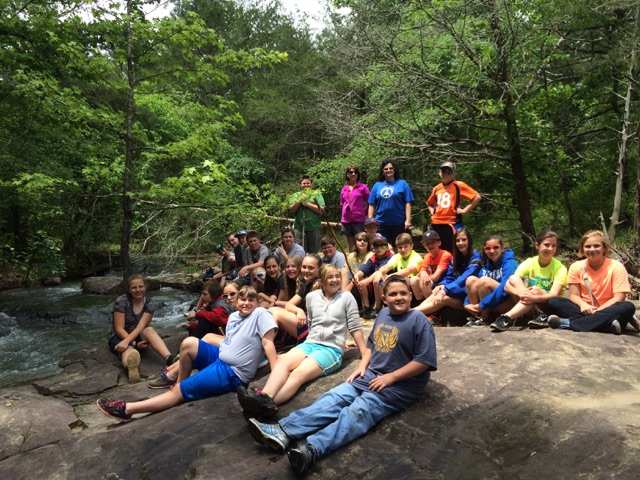
Tuesday, May 19, was the day for 26 of Margaret Moon’s high school students from Rose Bud to visit South Fork. And Wednesday, May 20, Jenni Martsolf brought 24 of her Mayflower sophomore students for the experience in the out-of-doors that SFNC provides. And it was “nature extraordinaire”!!

Skills in writing and art with nature, as well as walks along the trails for a look at plants and any animal signs or noises led to active give-and-take discussions with students and docents on ecology (ecosystem structure, sexuality of plants, plant and animal identification, and uses of certain plants by various peoples)…what a fun day we all had!

And the Wednesday class sessions began as rain was falling, already having dropped two inches of “liquid sunshine” in four hours, a bit more than the hillsides could easily handle. But lanterns in the Riddle cabin brought light upon insect collections and as well as the bright shining faces of a room full of students, students who before long hit the trails as the sun began to peak through the clouds.

Applying all that text book/classroom learning from back in the school classrooms to living plants and animals in the forest and glades of South Fork…it happened…and ecology of the ecosystems on the spot fascinated students as it sparked the application of facts that had been presented and learned earlier.

Bee Branch 5th at South Fork2

Insects were collected in tiny boxes, birds were heard singing, rain drops could be heard falling on the tin roof and through the tree canopy (on Wednesday), and a very small box turtle, barely an inch and a half long, was found on the forest floor crawling still surrounded (back and belly) in its cream colored egg shell laid by its mother only weeks before.

These AP biologists had a swell time applying their biology and gaining new knowledge!

Fifth Graders to South Fork

by Don Culwell

Tuesday, May 12, found Julie Nelson’s 5th graders from Southside Bee Branch at South Fork…8:45-2:15. The day began with a walk from the front kiosk along the trail to the cabin…stops along the way pointed out the opportunity to “read nature” by listening to sounds of the forest (birds, wind, insects, mammals, lizards, etc.) as well as keeping a keen eye out for any animal life or interesting plants.

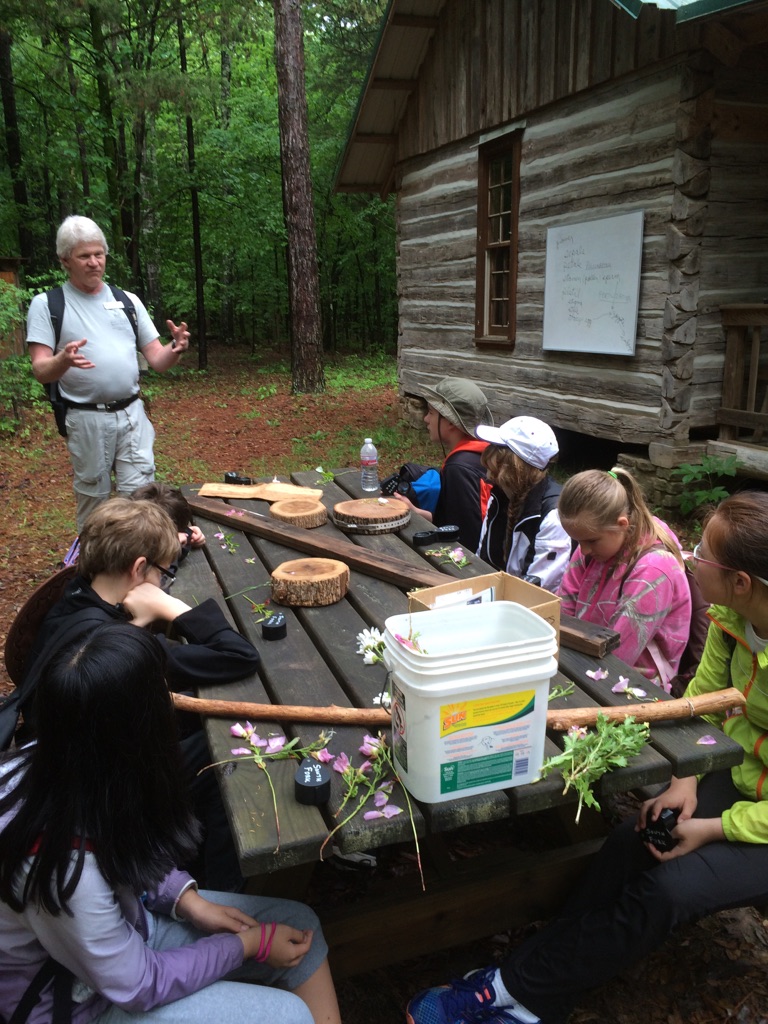
Further along at the cabin was an orientation for the day’s activities before groups of 10 or so led by docents headed out on the trails or began their study at tables beside the cabin. Students were challenged to use math in some application in the out-of-doors, such as calculating the average height of forest trees of an area, calculating the leaf area needed for a butterfly larval population, or the use of floral formulas to identify flower families. Noon found students diving into their lunches…the whole class anxiously hiked to the water fall, all-be-it a short one due to the increasing rise of the lake, running to the end of the slab rock bottomed creek flowing with a rushing current alongside a glade of vegetation that grows in the shallow, glade soil.

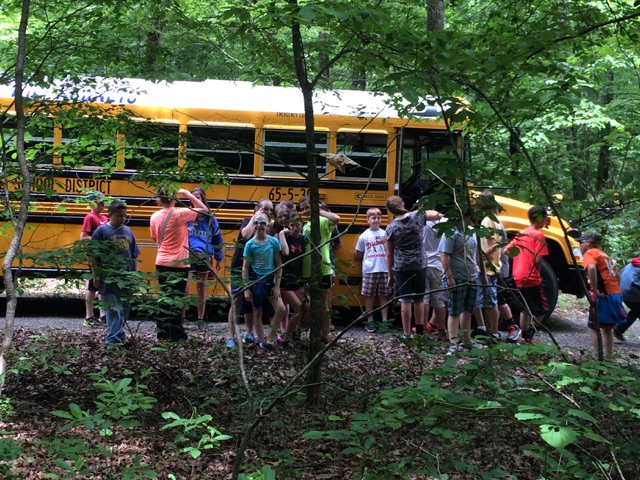
With the day’s outing over, it was time to board the bus for return to campus, but not before a wrap-up of the day’s activities noting points of interest, and an invitation to return.

Saturday Trail Walk, May 16

SFNC Secretary Glenda Hall
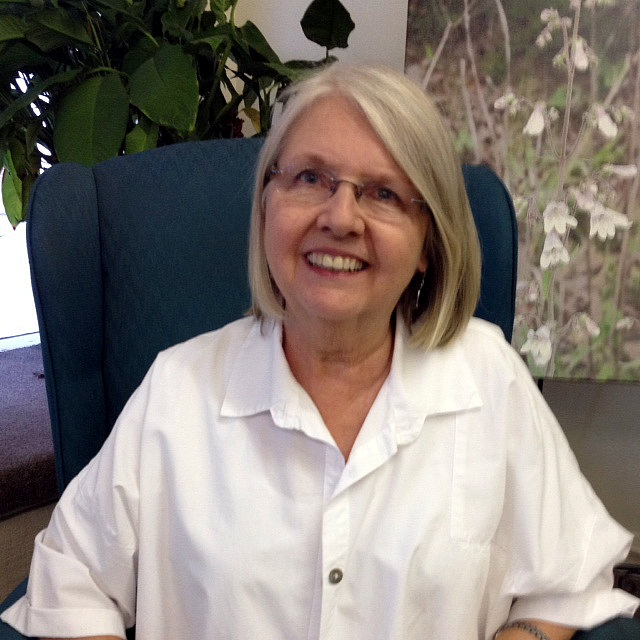
Docent Glenda Hall will be hosting the trail walk this Saturday, May 16 starting at 10:00. Join her to walk trails, learn history, purpose and goals for South Fork Nature Center. Her goal is to share her enjoyment for simply listening and observing nature and perhaps create interest in journaling about the experiences of the day.

This program is free and open to the public. Drive through the South Fork Nature Center entry gate down to the Riddle Log Cabin to begin the trail walk.

Edible & Medicinal Plants Report

by Shirley Pratt

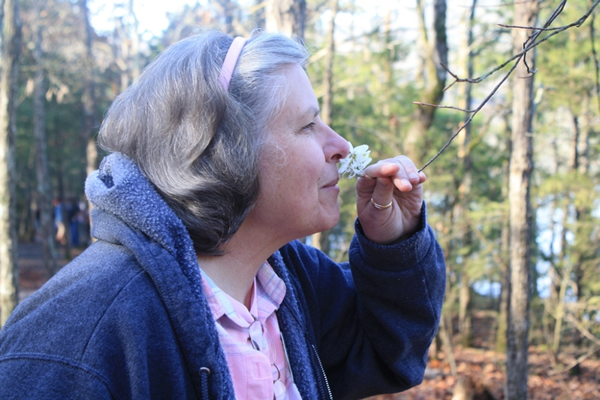
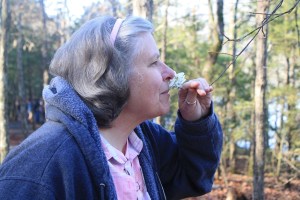
SFNC March 13, 2012 190An enthusiastic group of eight folks scoffed at the threat of April showers dampening their spirits and their fun as they gathered at the Riddle log cabin to begin a morning out on the trails of South Fork Nature Center with herbal enthusiast, Shirley Pratt. They had come for the Third Saturday Walk, Edible and Medicinal Plants of South Fork, and were determined to let nothing stand in their way!

After meeting new friends and catching up with current ones, the group discovered that many interesting plants were as close as the tips of their toes, right at the steps of the cabin! A dandelion snuggled next to one of the rocks, its “puff ball” seed head waiting for the next breeze to catch the fluff on the tiny seeds and carry them to a new destination. Although dandelions are not native to America, they have done exceptionally well at naturalizing! Every part of the dandelion is edible. Roots may be chopped and added to soups, roasted and ground into a coffee substitute. Leaves may be gathered before flowers start to appear and added raw to a fresh salad with other greens or tossed into the pot to cook with other greens. Flowers may be collected while still in the very young bud stage tucked into the middle of the rosette of leaves, eaten on the spot or used to decorate desserts or drinks or salads. Medicinally, dandelions act as a diuretic to cleanse the kidneys and urinary tract of toxins by increasing urination. They are a rich source of calcium, iron and vitamin C.

A few steps away at the edge of the clearing, a sassafras tree with terminal buds just beginning to unfurl was noticed by the group. Most tree leaves are too tough or too bitter to use as food, but the sassafras is an exception. The tender spring leaves, some of them mitten shaped, have a spicy but not quite root beer flavor. Sassafras is full of flavor and has been long used in spring tonics to restore vitamins and minerals to the body after a long winter with very few fresh green foods to maintain a high level of healthy function.

A few steps away at the edge of the clearing, a sassafras tree with terminal buds just beginning to unfurl was noticed by the group. Most tree leaves are too tough or too bitter to use as food, but the sassafras is an exception. The tender spring leaves, some of them mitten shaped, have a spicy but not quite root beer flavor. Sassafras is full of flavor and has been long used in spring tonics to restore vitamins and minerals to the body after a long winter with very few fresh green foods to maintain a high level of healthy function.

Continuing along the glade trail, the group was greeted by the beautiful bird’s foot violet, whose leaves contain high levels of vitamin C. The delicate edible flower is used to decorate salads, cakes or other desserts and the leaves make a healthy addition to a fresh salad. Other wood violets have the same qualities. The violet wood sorrel with its sour tasting heart shaped three-part leaves which have a hint of burgundy markings and lavender color flowers make another tangy addition to the salad bowl. Use these sparingly however, they contain oxalic acid which interferes with calcium absorption.

Many other plants were encountered along the trail, each with its own unique historical value to the survival of the earlier generations who lived in the South Fork region of the Little Red River of Arkansas. Noon came too quickly for the group as they concluded the morning walk back at the cabin for a look at some resources to launch them into identification of the medicinal and edible plants of their own back yards!
Tahlequah class visits South Fork

Russell Hudgens and his group of eight from Oklahoma stopped by South Fork on Saturday, May 9, on their trip to study cave biology at Blanchard as well as to learn about activities at the Ozark Folk Center and to learn from the out-of-doors about ecology of the area.

Tahlequah Class at South Fork

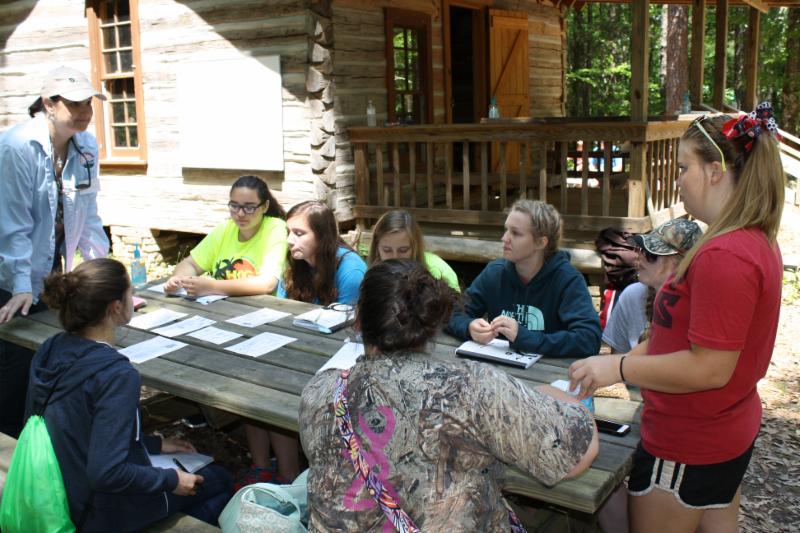
Instruction from the classroom back home came to light as discussion and hands-on work took place at picnic tables by the Riddle cabin using hand lenses and the marker board hung outside on the cabin wall. Flower structure, and even a few pollinators along with tiny thrips having a pollen meal, was seen up close and personal…students were able to answer questions on the subject posed by the teacher regarding study they had done previously.

A walk on the trail out around the bridge over the seep area, one of the unique ecosystems at South Fork, afforded a view of developing buckeye fruits that only a few weeks earlier had been an elongated cluster of bright red flowers.

Following lunch, the day ended all too soon as the van was loaded up heading west around noon…and the class spoke of a return visit next year!