Monarchs in Winter: Where are they now?

South Fork Nature Center partnered with the U.S. Fish and Wildlife Service in 2015 to create a monarch habitat as part of its Glade Restoration project. Volunteers, including docents and community members, worked together for many hours to plant and maintain milkweed plants needed by the monarchs to fuel their migration north during the spring months and their southern migration during the fall. This newly created habitat will also supply a much-needed breeding habitat that will allow the multi-generational migration to be successful.
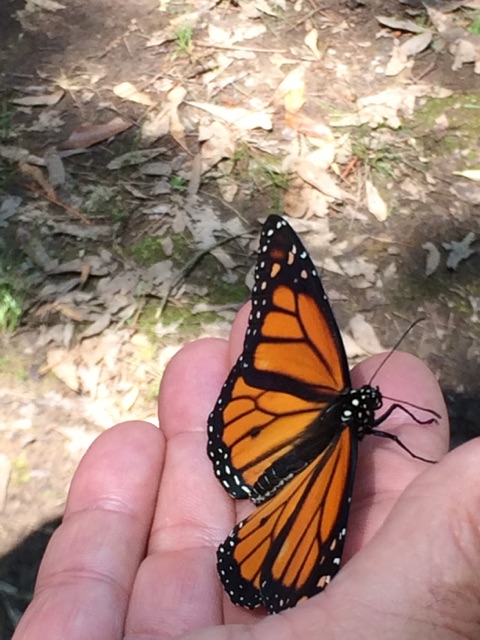
Monarch Butterflies at South Fork in Clinton AR

Where do they spend their time during North America’s winter season?
Most monarchs’ Over-Wintering season is spent in Mexico. There are approximately 12 Butterfly sanctuaries in Mexico.


TIP:

Go to Learner.org: Journey North and view a great map of these sanctuaries. Visit other sites listed below to learn more about the migration patterns of the monarchs and some of the partnering organizations working toward their preservation.


Many organizations are collecting and sharing information to help protect the monarchs and other pollinators in the United States.

Some of the monarch threats are:

  • Breeding habitat loss
  • Over-wintering habitat loss
  • Climate change
  • Pesticides
  • Natural enemies

South Fork Nature Center is committed to join the ranks and should have monarch activity to report this spring and late summer. Scientific observations will be recorded and shared. Hopefully some of our local students will be participating in this hands-on scientific data collection. Our highly trained docent staff stands ready to join with local educators to extend the classroom learning and create “field based” experiences for students of any age.
Milkweed flowers - Brent Baker

Click here to go to our educational page to schedule your class, club or organization field trip.

Educators!

Check This Out!
The educational website “Journey North” has a learning unit available on the Monarch’s Winter Habitat in Mexico. Be sure to click on the “Teachers Guide” to access all the resources such as lesson plans, print-outs, pictures, videos and ideas for creative journaling, scientific process, and assessing your students.
Don’t miss this incredible resource!

Journey North

Learner.org: Journey North →

See Also:

USDA Forest Service Monarch Report
US Fish & Wildlife Service: Monarch Conservation
Monarch Watch
(also follow them on Facebook: https://www.facebook.com/monarchwatch
More from South Fork:

Monarch Conservation at South Fork
Grow, Baby, Grow!

Master Naturalists Take to the Trails

Central Arkansas Master Naturalists January Trail Cleanup at the Nature Center

Phil Wanzer, January 3, 2016

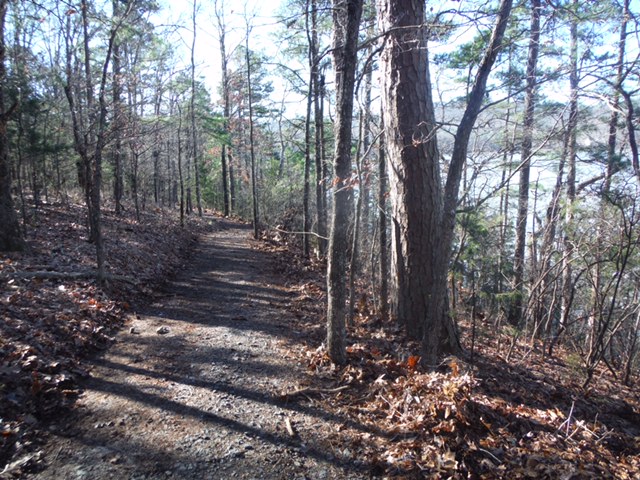
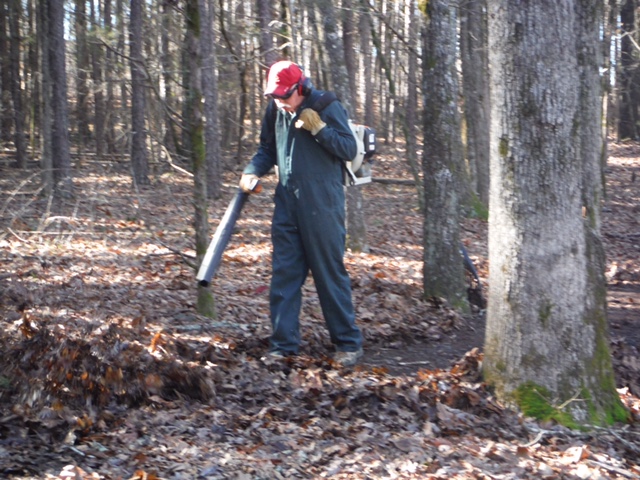
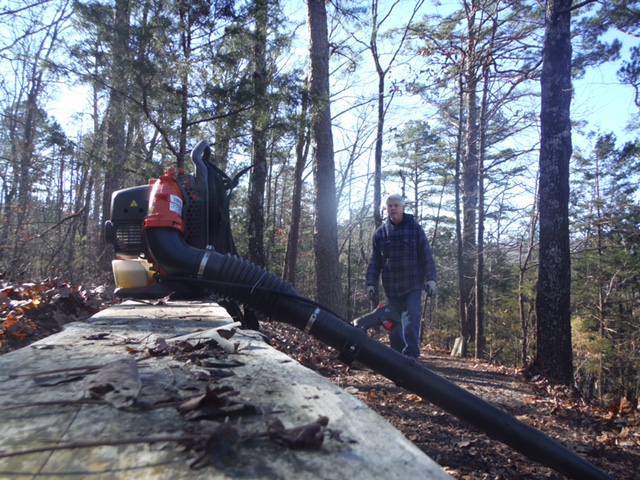
Today, Larry Price and I went to South Fork Nature Center to clear the leaves from as many trails as we could. Most of the trails are a crushed gravel type that disappear under many fallen leaves.

If you don’t know of this nature center, it is a gem along the banks of Greers Ferry Lake. Throughout the school year, school children and other groups are bused out to the center to go on a hike and hear of nature’s wonders. Some stay back at the pioneer cabin and learn about insects, for example, with plenty of microscopes for everyone to look through. Some days they have events that the general public is invited to attend. This is all done with volunteer docents. Teachers (often retired) and other willing volunteers can easily contact the center and become a docent or guide to help lead these tours. After all, isn’t that what it is all about – getting youth (and adults) interested in nature’s beauty?
image

image

image
Eventually, Larry & I managed to get 80% of the trails blown and raked off. We ran out of gas about the same time as we ran out of stamina for the first round. It would have been great if we had just two more people with us. We got this all done in 3 ½ hours which included us sitting down on a picnic table at the cabin and eating a enjoyable lunch. A great time it was.

So next time you see an event there, please mark it down and show up!

“Exploring Mighty Fortresses”

Marc C. Hirrel, Leopold Education Project (Arkansas)

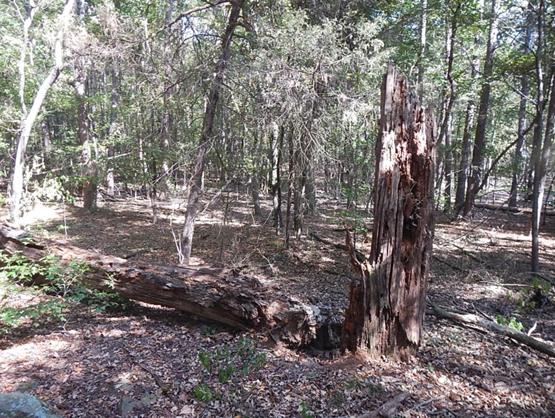
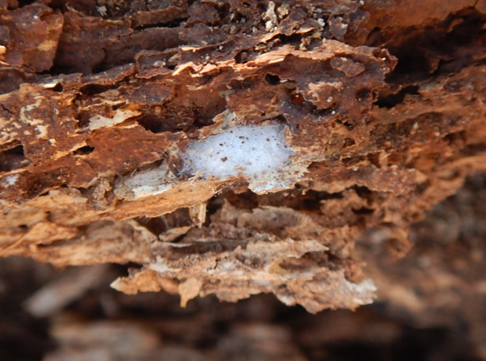
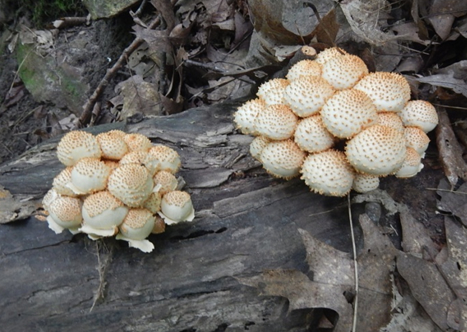
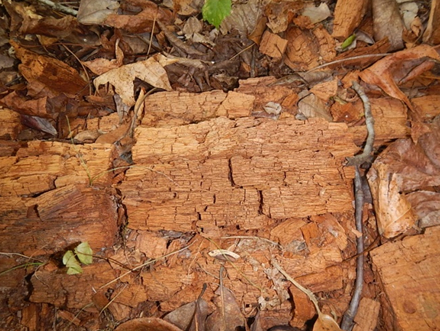
Late Autumn mornings are times to go on a hike and follow red lanterns to new discoveries. Fall is when deep breaths bring a chill to your lungs and sunlight paints mosaics of light and shadow on the ground. Not long on my path, I discover a fallen tree. Recent storms likely brought the old tree down, but not before fungi and insects had used up most of it. What was left was a mass of spongy woody tissue and little to identify it. Oak? Hickory? Pine?

Mighty-Fortress-Wood

Yet, even in death, the tree hides, feeds, and waters a myriad of organisms. A mighty fortress for those it harbors and protects. A biology course in every square inch awaits the curious. Tuition is the time you are willing to spend exploring.

Mighty-Fortress-Web

Aldo Leopold’s farm on the Wisconsin River was in many ways like South Fork. He wrote,

“Every farm woodland, in addition to yielding lumber, fuel, and posts, should provide its owner with a liberal education.”

Like Aldo, I realized there are as many tree diseases as there are trees here in our woods. Leopold wished “that Noah, when he loaded up the Ark had left the tree diseases behind. But it soon became clear that these same diseases made my woodlot a mighty fortress, unequaled in the whole county.”

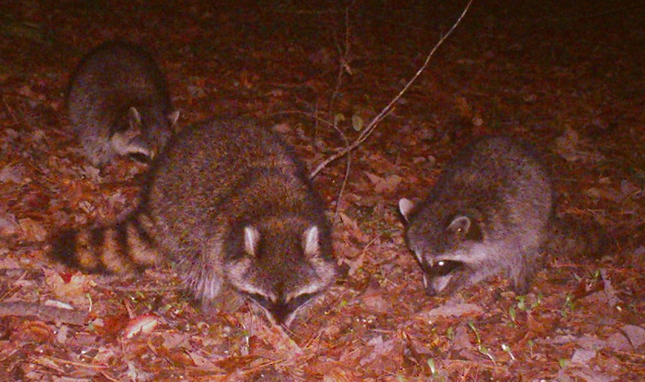
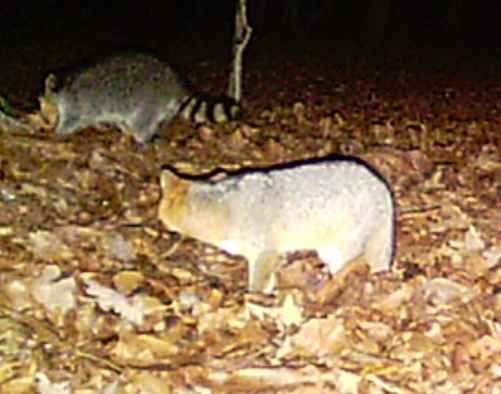
As in his essay, “A Mighty Fortress”, our “woods is headquarters for a family of coons.” And judging by their size, the eats at South Fork are pretty good.

Mighty-Fortress-Raccoons

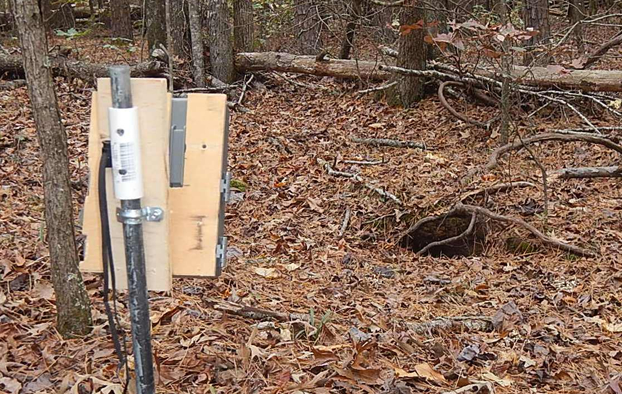
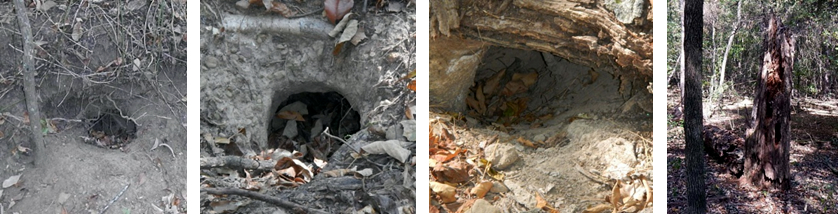
Game cameras were placed near burrows at six locations around South Fork. Most of the burrows are in or under fallen trees that “… offers an impregnable fortress for coon-dom.”

Mighty-Fortress-Burrow

Over a two week period in mid November images were collected of some burrow inhabitants along with other nightly browsers.

Clockwise from top left: Virginia opossum, White tail deer, Armadillo, Grey squirrel, Grey fox

On your next hike through our woods take note of those mighty fortress oaks. Who pays rent in downed pines? Will negotiations work out so everyone wins or is all Hell going to break out? Our mighty fortresses are full of mystery and political intrigue written in the landscape of the South Fork Nature Center.

(A Mighty Fortress is a November essay in Aldo Leopold’s A Sand County Almanac)

Mighty-Fortress-Wildlife2

Winter Invitation

Winter Invitation SFNCThe holiday season is upon us! When all the bright colors have gone, the woods take on a beauty of their own with the intricate silhouettes of intertwined branches. In winter, we catch sight of small things that the more dramatic displays of the other seasons hide from view.

Amid all the hustle and bustle, we encourage you to take a moment of tranquility here at the Nature Center’s walking trails. Winter in the Ozarks is often generous with mild days – excellent opportunity for quiet walks that nourish our souls as we appreciate the subtle rhythms of nature.

South Fork Nature Center is open year-round, with approximately two miles of marked public walking trails on the Greers Ferry Lake shore. When the gates are closed, you can enter by foot through the rock entrance. Parking is available across the street.

Entrance: 962 Bachelor Rd. off Hwy 330
GPS Coordinates Latitude 35°33’25.54″N Longitude 92°23’3.66″W

For questions about guided tours with our docents, or facilities offered to students and educators, please contact Program Director, Dr. Don Culwell at 501-358-2095.

Monarch Conservation

SFNC’s Milkweek Project gets Boost for Monarch Conservation

Marc C. Hirrel

The recently held Arkansas Monarch Conservation – Training/Information Session in Conway could not have been scheduled better. It was a resource opportunity for SFNC having made it through the first growing season of our milkweed project. The information and network of agencies both public and NGO will give us time to reflect and plan for next year.

Milkweed flowers - Brent Baker

The November 9th meeting at the Faulkner County Natural Resource Center had six presenters. The experts were split evenly between the butterfly and its plant hosts, specially its brood host, milkweed. Topics ranged from milkweed decline and their species distribution across Arkansas to the natural history and migration patterns of the Monarch.

The Monarch migration miracle lies not in the distance traveled from the volcanic mountain range west of Mexico City to Arkansas and the upper mid-west, but the generational memory embedded in germ cells that pass the route back to a specific fir species in Mexico. The linage of where, when, and how is passed to the 3rd or 4th generation of milkweed feeding caterpillars – the great grand children who never knew their north bound forebears!

Monarch Butterflies at South Fork in Clinton AR

If the migration message is not etched in the species’ DNA, then this cross generation communication must lie with the milkweed. Only here are parent and offspring connected. The good news is that neither species is endangered from the loss of the other. The bad news is that if the secret of The Return is not conserved, then the migration of the butterfly will vanish.

Conserving milkweeds conserves Monarch migrations. Aldo Leopold wrote,

“For one species to mourn another is something new under the sun.”

He was mourning the loss of the passenger pigeon also known for its migration patterns. Land management practices are to blame. One corridor of concern is along I-35 according to Dr. Jim Edson, monarchwatch.org and UA-Monticello (retired). In Arkansas, Monarch Watch projects are identifying prime monarch/milkweed habitat.

For us at SFNC and our milkweed project, there were two presentations of interest. A milkweed preference study by entomologist, Dr. Donald Steinkraus, UA-Fayetteville. This preliminary work showed that in NW Arkansas, swamp milkweed was best followed by butterfly weed. Avoid planting non-natives like Tropical milkweed, which can vector a protozoan pathogen to Monarchs.

The other presentation by Theo Witsell, Arkansas Natural Heritage Commission, on milkweed species of Arkansas and fall nectar sources. Interestingly, there are about 20 species considered as milkweeds all in the Dogbane family. Most are species of Asclepias (14 spp.); the others are vines and uncommon in the state. Red Ring or white milkweed is one of the more common along with butterfly weed, but it is not a good Monarch host. Whitsell reminds us that fall nectar species are needed for returning butterflies. Tick seed sunflower (Bidens spp.) and late bonset are good fall nectar plants.

Looking for more information? Thanks to The Xerces Society for Invertebrate Conservation, Anne Stein shared some valuable resource material on Monarchs and milkweeds at www.xerces.org.

Photos by Brent Baker.

“Red Lanterns” by Marc Hirrel

Marc C. Hirrel, Leopold Education Project

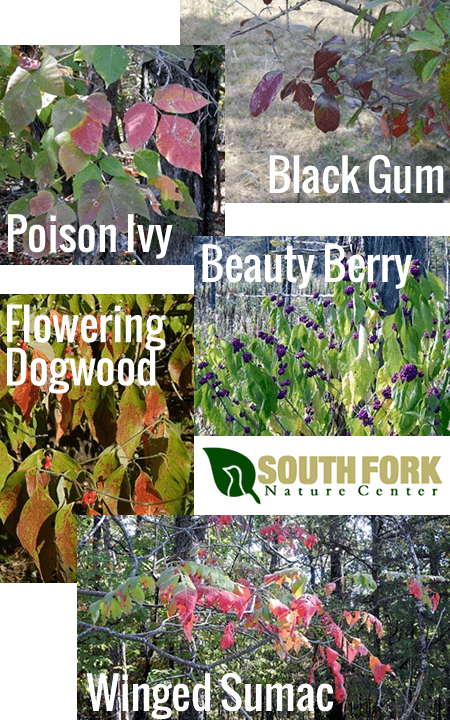
Autumn is the season of the hunter. A good time to venture through the woods of South Fork. Look for red lanterns as you make your way through the yellows, tans, and browns of changing oaks and hickories. Let the red lanterns mark your path.

Red lanterns, to Aldo Leopold in A Sand County Almanac, were blackberry leaves lit by the October sun to mark his trail. Hunting was how he made connections to the land. And those connections was how he read the landscape and crafted a personal ethic on “how to live on a piece of land without spoiling it”, which was Leopold’s conservation cornerstone. And it began with a grouse hunt. In his essay Red Lanterns he is challenged to read the landscape connecting the brambled habitat and the clucking grouse in cover with the dog having analyzed thousands of smells then hitting olfactory gold and going to point.

In Smoky Gold, Leopold challenges us to read the landscape by going on our own hunt. The sweetest hunts are stolen. To steal a hunt, either go far into the wilderness where no one has been, or else find some undiscovered place under everybody’s nose…..like South Fork.

This November go steal a hunt by following the red lanterns of SFNC, like:

red-lanterns-leo-sfnc2

What did you find? What did you read from the landscape to help your hunt? Did those red lanterns help you to return to the trail?

My hunt lead me to these dens and to some questions. Whose den is it? What makes this location so special? Next month we’ll see what my game cameras reveal and what I read from the landscape.

burrows