Cabot High School Visits SFNC

cabot_hs

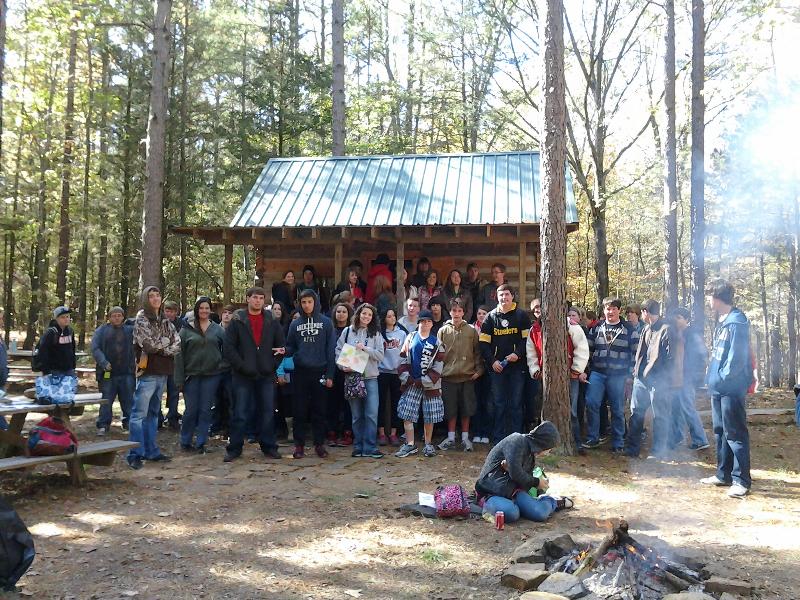
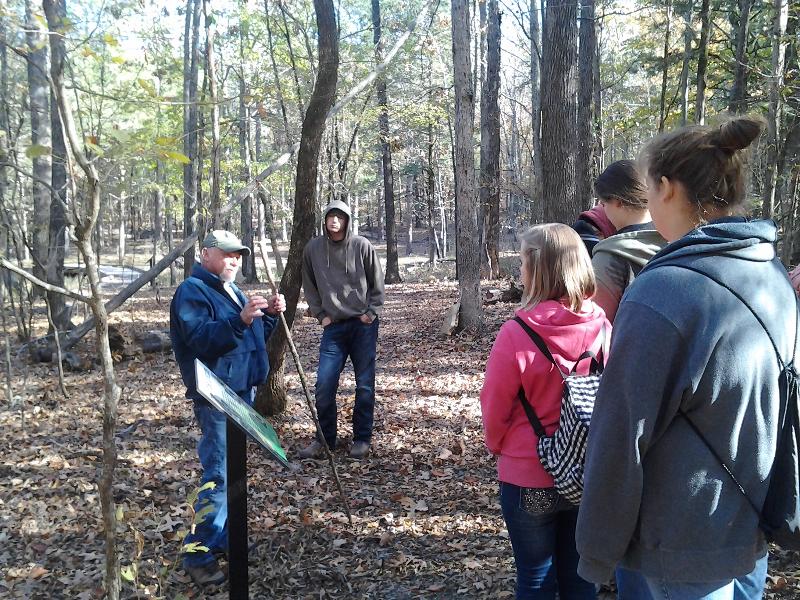
We had a great group tour and meeting on Tuesday, Oct. 30th, when Cabot School’s 11th and 12th grade classes came up for their visit to South Fork Nature Center. Docent Larry Price met and welcomed the group at the gate around 10:00 AM, and walked the trail down to the cabin. The weather was almost perfect, maybe a little cold at first, especially in the shade.

The group of about 60 students, mostly science “kids”, were divided into 6 groups for their sessions with our docents.

Bob Hartmann discussed lake ecology and fish populations, while Steve Smith covered tree identification at South Fork. Dr. Jim Soloman discussed how insects and diseases affect the ecosystem. Glenda Hall’s group wrote about nature and Larry Price talked about the plants and animals living at South Fork.

Larry Bintliff brought an old cross-cut saw and he and a student volunteer cut a section off an old pine log. Larry also brought an Indian grind-stone and explained how the natives used it.

cabot_hs2

Joyce Hartmann tried something new this time with the students, Leaf Stamping. It involved finding leaves with interesting shapes, cleaning them first with soap and water to remove sizing, drying, then applying paint and pressing them onto paper: a perfect activity for fall! She brought a large watercolor and two small cards for the students to look at so they could see the potential. Joyce’s goal was to have the students understand and experiment with the process.

Most of the students enjoyed the art of it but also noticed how much detail is quickly recorded for leaf identification. This was a new experience for them; one student asked her teacher if they could do more of that process in their classes back at school. Some of their leaf stampings were beautiful, and many took them home.

After lunch it was time to say goodbye to the students teachers. They all had positive comments about the SFNC and the activities presented.

LR Walking Club & LR Sierra Club

lr_walking_club_sierra_club

October 20th was a very busy day at SFNC; not only did the Clinton Cub Scouts come out, but the Little Rock Walking Club and the Little Rock Sierra Club joined the monthly guided tour with Docents Larry Bintliff, Bob and Joyce Hartmann and Steve Smith.

There were discussions on the history of the nature center, plus change in leaf color. There was interest in the rock signs that were painted by Joyce Hartmann. Joyce also taught eveyone how to whittle and paint “Ozark Colored Pencils”

After a lunch break, hikers made their way to the waterfall and found “old” graffiti on rocks above the waterfall, dated 1841 J.C. The date was chiseled on the floor of the creek about 50-75 feet above the falls, a nice surprise find.

SFNC Booth at Chili Cookoff

By Kathy Sherwood

sfnc_chili-booth

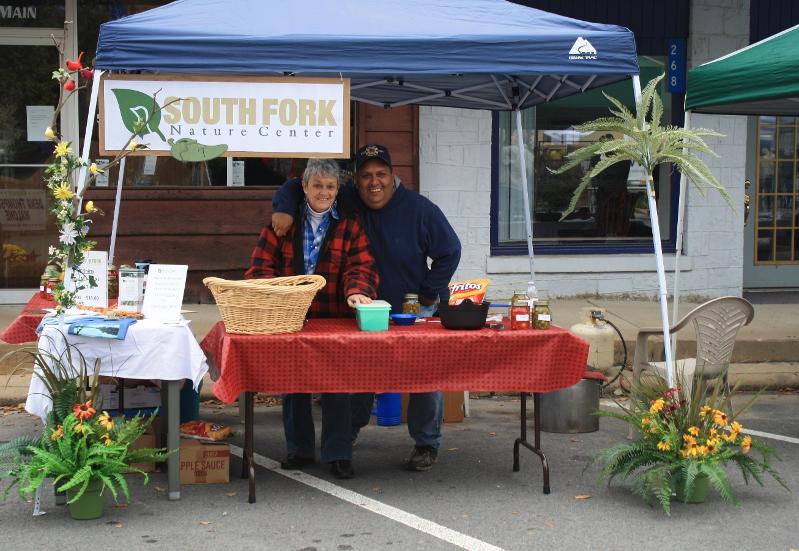
Dan Silva began cooking his famous chili at 8:00a.m. Saturday morning, October 6th at the Chili Cook Off Downtown Clinton. Trish Childers decorated the booth and greeted those eager to try the chili. Visitors to our booth entered their name in a drawing for a free t-shirt.

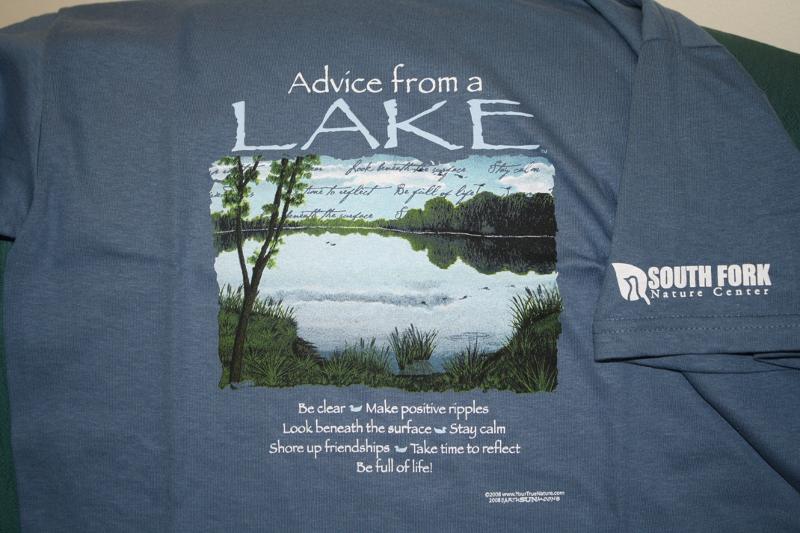
Unfortunatley, Dan’s chili was not a win this year, but Cheryl Ragland with First Security Bank was the winner of our free t-shirt entitled, “Advice from a Lake”.

T-shirts can be purchased at the South Fork Nature Center Office at 290 Main St., Clinton, AR.

Prices: S-M-LG-XL $17.00 // XXL $18.00

LAKE Tee

“Advice from a LAKE: Be clear…..Make positive ripples…..Look beneath the surface…..Stay calm…Shore up friendships….Take time to reflect….Be full of life!”

advice-from-lake-tshirt

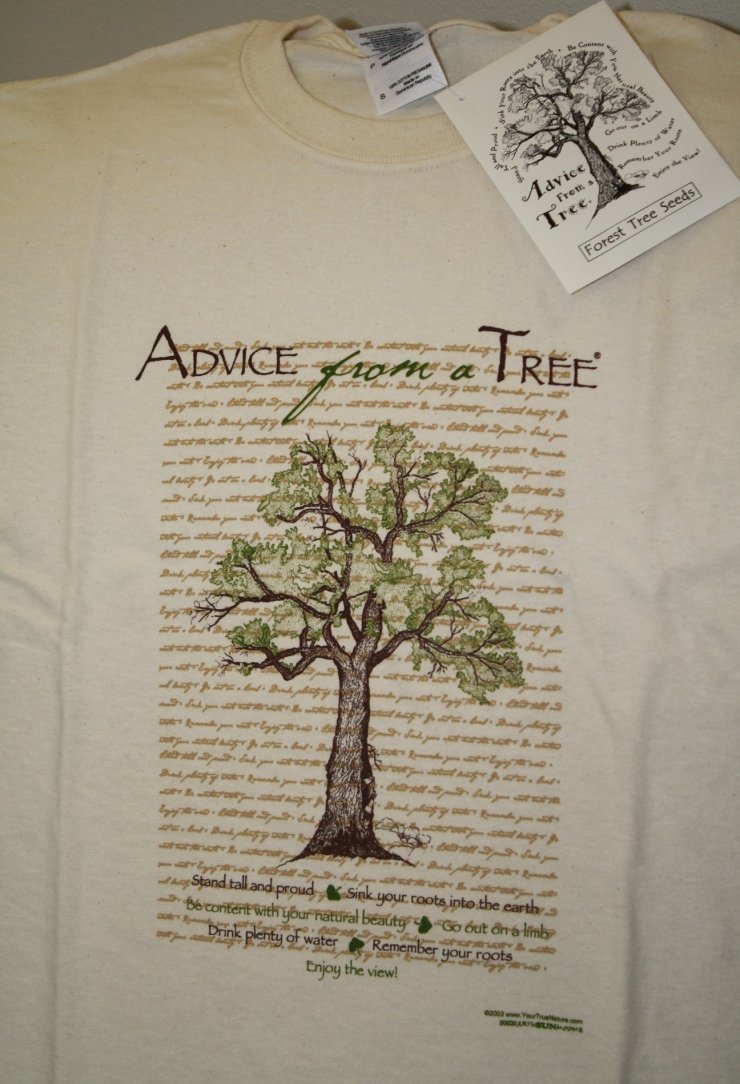
TREE Tee

“Advice from a TREE: Stand tall and proud….Sink your roots into the earth…Be content with your natural beauty…Go out on a limb…Drink plenty of water….Remember your roots…Enjoy the view!”

advice-from-tree-tshirt

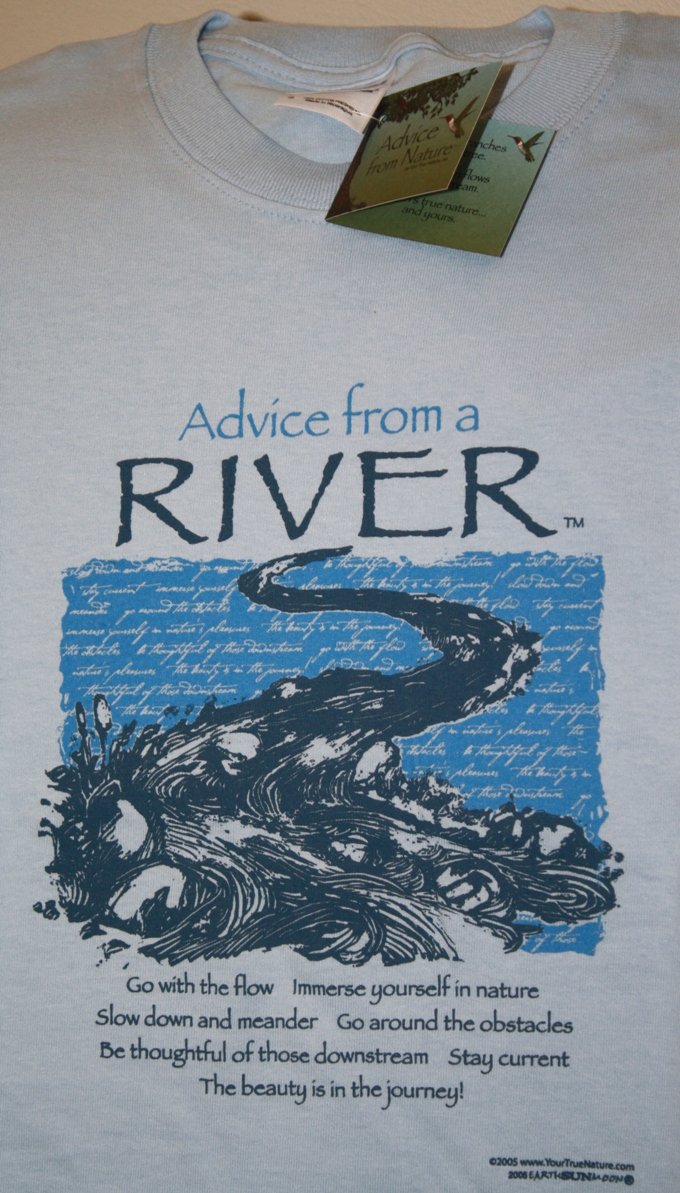
RIVER Tee

“Advice from a RIVER: Go with the flow…Immerse yourself in nature…Slow down and meander…Go around the obstacles….Be thoughtful of those downstream….Stay current…The beauty is in the journey!”

advice-from-river-tshirt

Archey Fork and Little Red River Clean-up

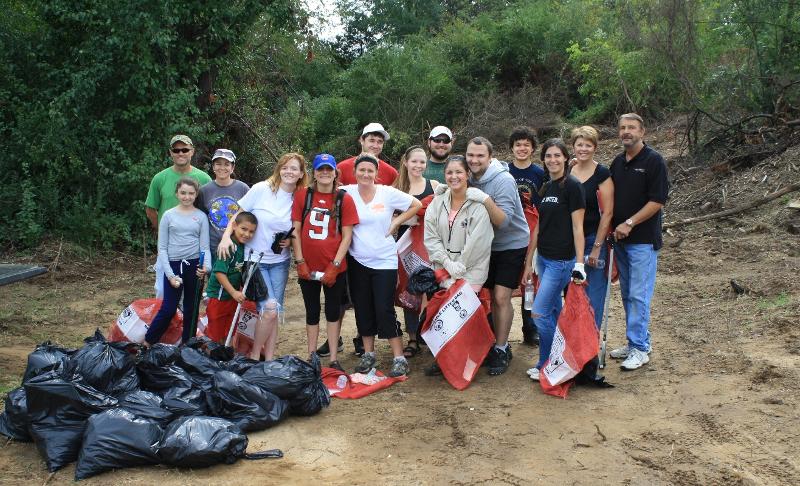
sfnc_group
By Kathy Sherwood

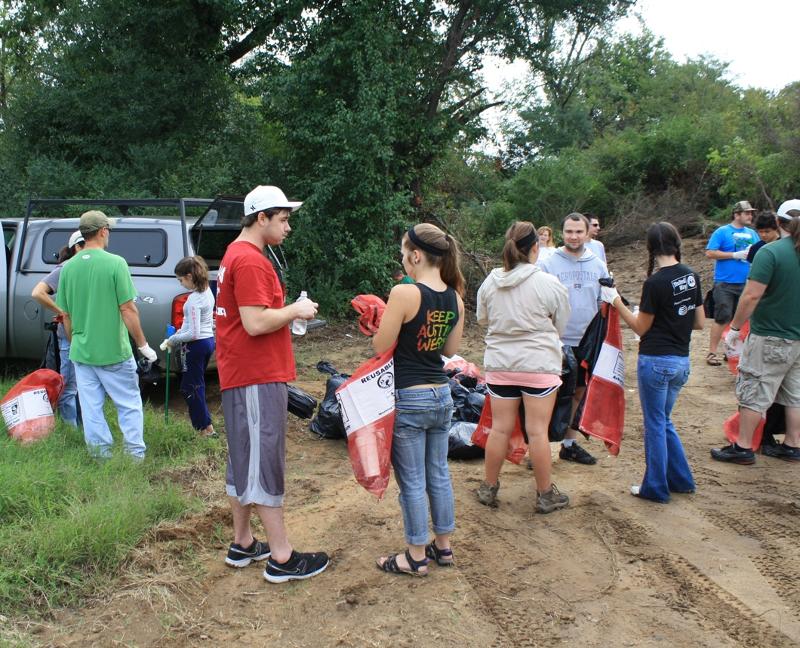
People gathered Saturday morning September 29th to help with the river clean-up to kick off the Upper Red River Restoration Project.

don_richardson_mayor

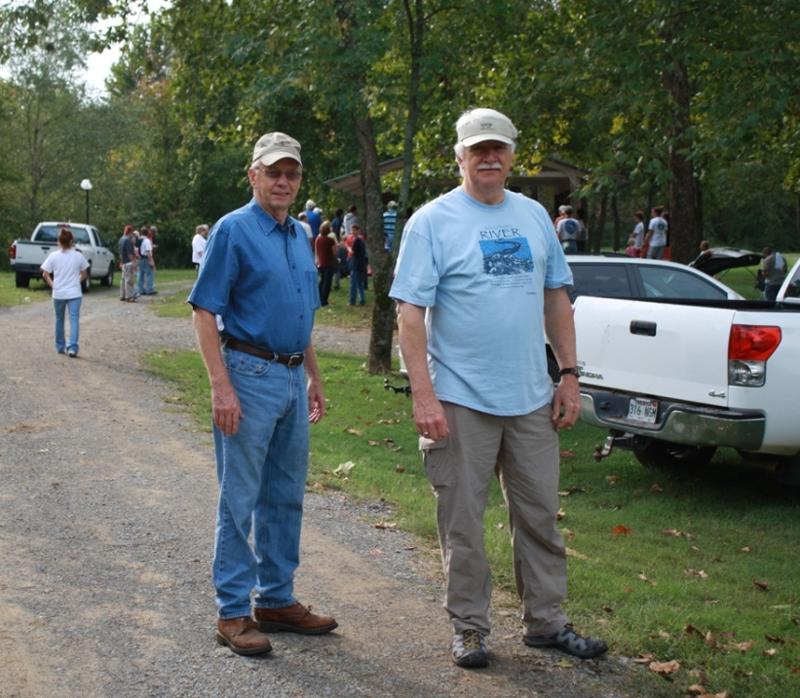
Don Richardson, president of the Gates Rogers Foundation, Inc. and Mayor Roger Rorie greeted people as they arrived.

declerk-group

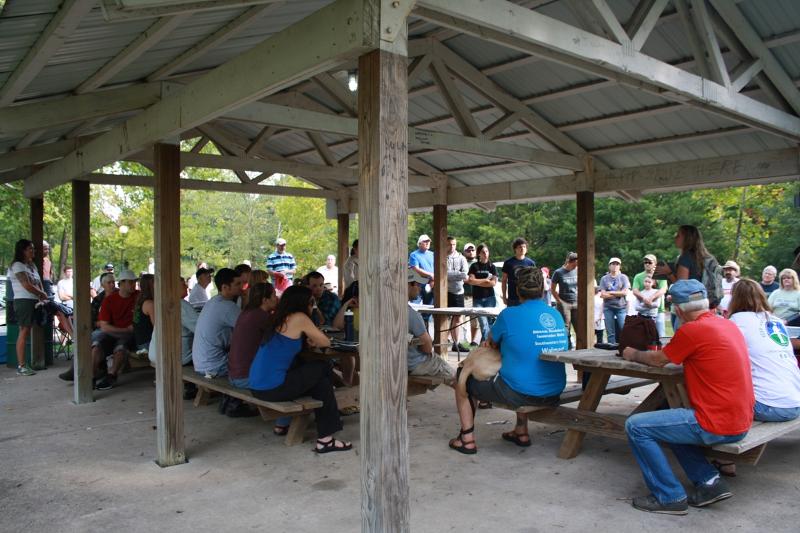
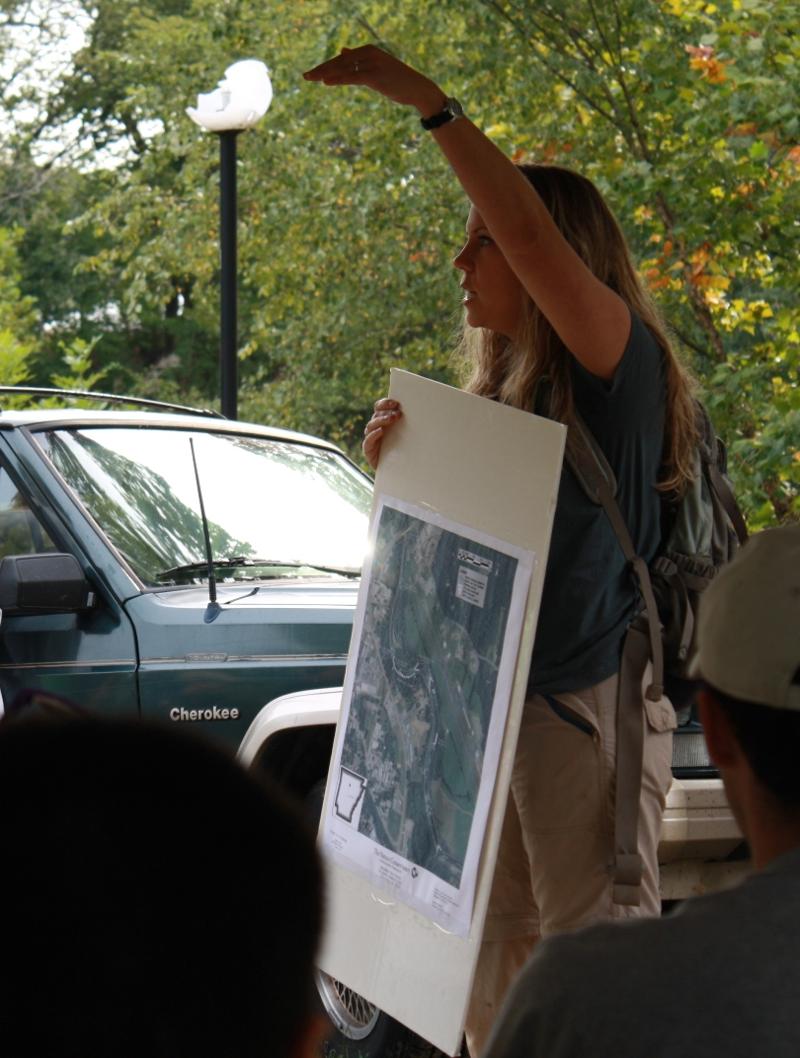
A large group of eager participants gathered around to hear Joy DeClerk, project manager with the Nature Conservancy, explain the various phases of the project.

joy-declerk

Bags, gloves, claws for grasping and hand santitizers were available for volunteers to use as everyone headed to the river to begin the clean up.

sfnc_cleanup

We were pleased to have a group of college students from Conway join us for the day.

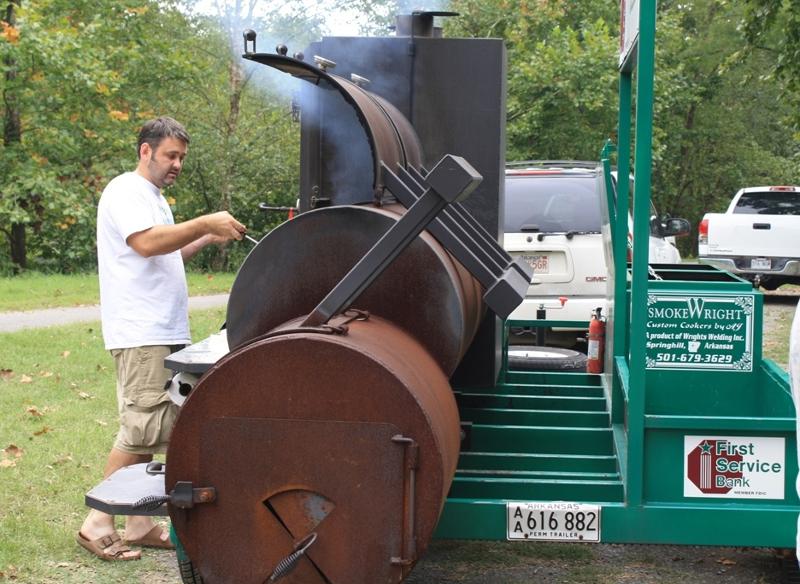
To wrap up the day, Jason Hayes with First Service Bank grilled hamburgers and hot dogs for all to enjoy.

cleanup_jason

What a fun day!

A Tale of Two Forks

by Julia Bourque, Nature Conservancy

Every river has a story. Its bends and curves shift with each season, revealing the water’s rushing and waning flow. A river’s banks can tell tales of drought and flood, show tracks of wildlife and be the grounds of many family memories.

Arkansas’ Little Red River has a particularly interesting story. With the construction of Greers Ferry Lake during the 1960s in north-central Arkansas, three of the four forks of the Little Red River north of the lake were isolated from each other. This eliminated prime habitat for endangered species like the yellowcheek darter fish and the speckled pocketbook mussel. It also eliminated much of the potential for genetic flow between these four rivers for species already at risk.

Then came the record-setting floods of 1982, when many lives were lost and parts of Arkansas were declared a disaster area. Nine feet of water flooded the entire downtown of Clinton, where the Archey Fork and South Fork of the Little Red River meet. To relieve the flooding, the U.S. Army Corps of Engineers had to channelize and dredge a 3.5-mile stretch of the river at Clinton.

Although at the time it seemed like a necessary action, this channel that was home to endangered species, lush bankside vegetation and plenty of recreation soon became a 700-foot-wide eyesore. When the channel was widened, the banks eroded, the prime habitat was eliminated and it became too shallow for swimming, boating and fishing.

Restoring the Banks of the ‘Clinton Ditch’
However, this river’s story comes full circle. In 2008 the U.S. Fish and Wildlife Service approached The Nature Conservancy to develop a restoration plan that would improve habitat for the river’s vulnerable species while assuring flood protection for the city. With input from partner agencies and city stakeholders, the design came together and in September 2012, the Conservancy broke ground to restore this same 3.5-mile stretch of the river, bringing it back to near its original width and depth.

“We’re going to build two types of structures, some of rock and some of wood,” said Joy DeClerk, river restoration program director for The Nature Conservancy in Arkansas. “The rock structures will guide the water toward the center of the channel, away from the banks. The wood structures will be buried at angles into the banks to provide instant fish habitat and protection of the bank while we’re replanting vegetation.”

Currently the river is threatened by sediment primarily coming from eroding banks, poorly maintained gravel roads and the large-scale clearing of forested areas within the watershed for development and other uses. Demands for large water withdrawals during low flow periods of the year put an additional strain on sensitive species. This restoration project will improve aquatic habitat and water quality, serve as a model for reducing sediment and improve the quality of this great natural resource for the people of Clinton.

Collaborative Conservation
This project on the Archey Fork and South Fork is supported by a broad range of partners including municipal leaders from the City of Clinton, the U.S. Fish and Wildlife Service, Southwestern Energy Company and many others. One partner, Don Richardson, floodplain administrator for the City of Clinton, is especially excited to see this project move forward.

“I’ve been involved in this project for the past 30 years,” said Richardson, who was mayor of Clinton just after the 1982 flood. “The very first ordinance I had to pass while in office was Clinton’s floodplain ordinance, which gives the city flood insurance coverage from FEMA. Since then, I’ve been personally vested in trying to restore the banks of the channel.”

During the past five years, the Conservancy has had many successes implementing stream and river restoration projects in Arkansas. Using the science of Natural Channel Design, project managers have an understanding of natural channel processes and have created stable streams from rapidly eroding ones. With this method, the staff has seen success on Benson Slash Creek in the Delta, the Middle Fork of the Saline River in the Ouachitas and the Middle Fork and South Fork of the Little Red River.

Restoration at a Larger Scale
This project in Clinton is part of the Conservancy’s statewide Rivers Program, which launched in 2003 in an effort to bring together state, federal and private partners to address declining water quality in Arkansas streams.

Throughout the Ozarks, the Conservancy has worked with landowners to stabilize stream banks, finance alternative watering methods to keep cattle out of streams and inventory more than a thousand miles of unpaved roads, which contribute to excess sediment in streams.

“I think one of the most fascinating aspects of this project is the scale of it,” said DeClerk. “So often our impact within the watershed is cumulative and the restoration we do is in smaller chunks. This project will be a great demonstration of how to successfully complete restoration at a larger scale; we’re working with a lot of great partners and accomplishing multiple objectives.”

Richardson sees another success story.

“I believe in a little bit of time, this project will transform the river, turning it back into a natural channel and allowing us to canoe and paddle right here in downtown Clinton once again,” he said. “This could be an economic engine for the city and bring in tourists. Whether you like to canoe or kayak or just walk the trail nearby, this will be a wonderful place for our citizens.”
Fairfield Bay Rotary Club

By Don Culwell

South Fork Nature Center (on the lake just north of Choctaw Recereation Area at Clinton) was the subject for consideration at the Fairfield Bay Rotary Club at noon on August 29th.

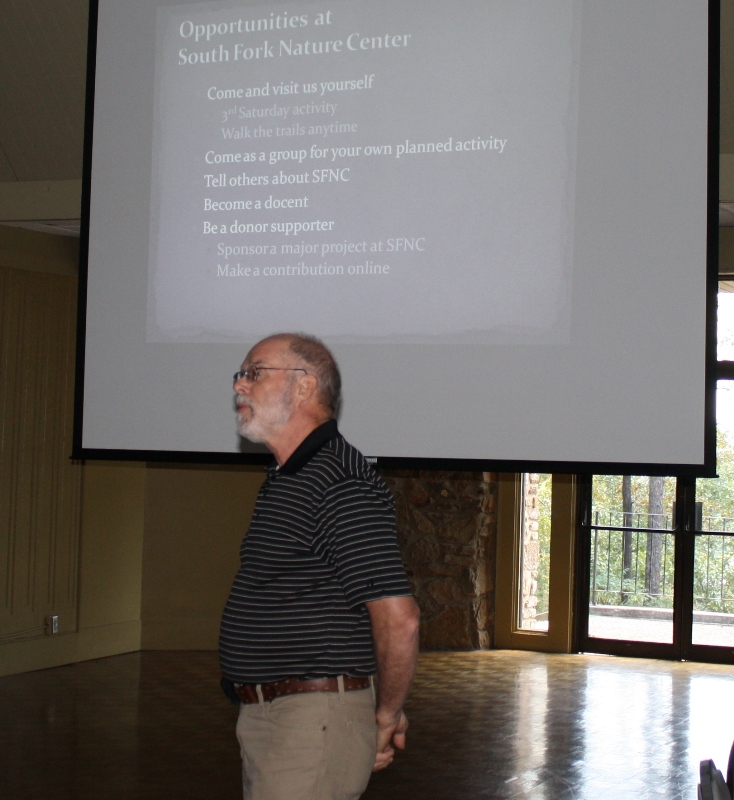
culwell_presentationDon Culwell from Gates Rogers Foundation Board of Directors gave a PowerPoint presentation showing the new stone entrance and kiosk that begin the walking trails, all wheel-chair accessible. Three circles of benches spaced over the 120-acre peninsula of the Nature Center (seating 25 persons each) were sites of instruction this past fall and spring as classes of students spent the school day from 8:45a.m. to 2:30p.m. (45 fifth graders came twice; 40 seventh graders once; 30 eight graders once). Other school groups, clubs, and interested persons have visited the site for hiking or activities; South Fork has picnic tables around the 100-year-old cabin, the center for activities. A nature walk or art activity occurs the third Saturday of each month (except November-February). However, the trails are always open for those desiring a pleasant walk along the bluff overlooking the lake and through the woods. Culwell noted that there are 22 docents who lead activities at South Fork; call Kathy Sherwood in the Gates Rogers Foundation office in Clinton (745-6444) to schedule an activity. Kathy can sign you up to receive the monthly e-mail newsletter if you would like to see what happened the previous month or what will take place in the future.

The Foundation is seeking funding to construct a pavilion with restrooms as well as lay a waterline to the site. Donations, both large and small, can be made online where further information about South Fork, driving directions, program, and facilities can be found: http://www.southforknaturecenter.org.