Pollinator Day (Gallery)

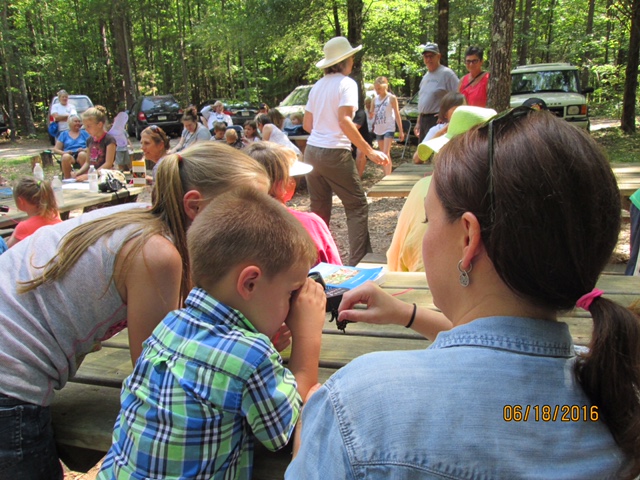
SFNC’s First Annual Pollinator Event was held on Saturday, June 17th. 50+ participants from all age groups were present on that overcast morning to explore the pollinators in our life.
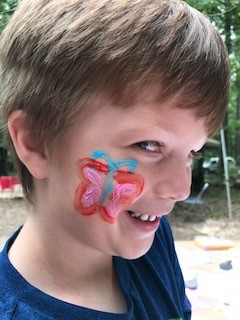
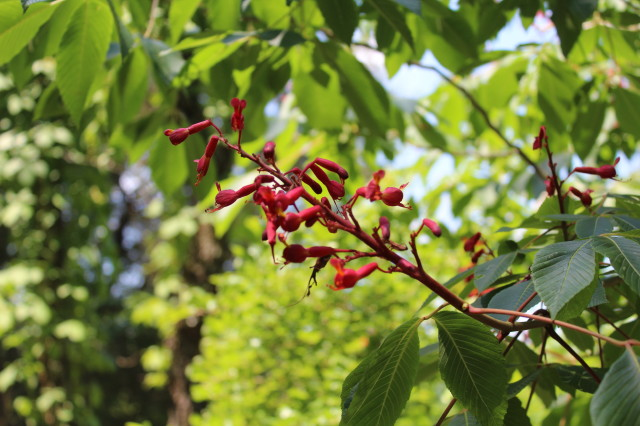
Activities of the day included Puddle Stone Painting, Seed ball creations, face painting and monarch wing dress-up! Participants of all ages were invited to participate. The pollinator hike toured some of our monarch habitat restoration sites in which SFNC planted over 500 native milkweed plants two years ago. Our first blooms of milkweed were viewed at this event!
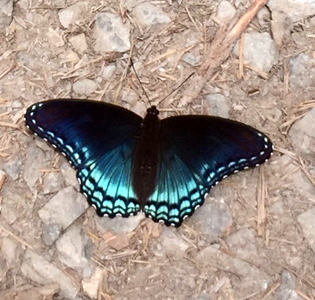
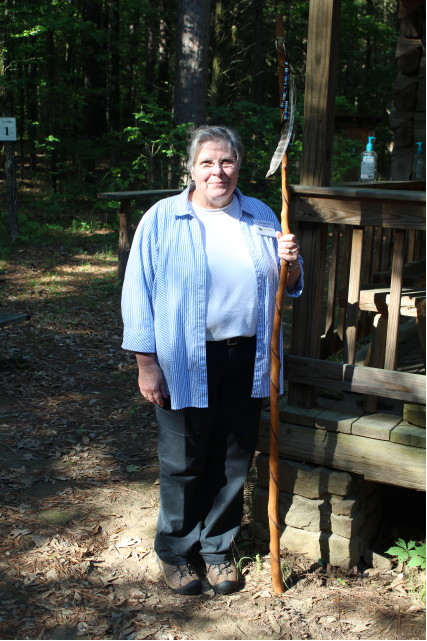
The special guest of the day!

We had four guest presenters who donated their time and knowledge, and even their native plants, to make the morning an incredible experience! The event was co-chaired by board members Leslie Goff and Janet Miron. Our four presenters were assisted by docents Shirley Pratt, Roberta Katz-Messenger and teen volunteers Julia Goff, Quentin Goff, Laura Miron and Grant Goff. We were especially pleased that many Master Naturalist from the local chapter came out to support our program and share with us their expertise.

Meet our Guides:

[ms_person name=”Ruth André” style=”beside” title=”Pope County, native plant-butterfly enthusiast” overlay_color=”” overlay_opacity=”0.5″ picture=”https://southforknaturecenter.org/wp-content/uploads/2020/10/9a188-ruth-andre-shares-her-knowledge-about-native-plants-and-monarchs-jm-240×320-1.jpg” picborder=”0″ picbordercolor=”” picborderradius=”0″ iconboxedradius=”4″ iconcolor=”” class=”” id=””]Ruth (right) shared her love for native plants with participants. Her expertise in growing native plants from seed were very evident and her generosity in donating free plants to participants was greatly appreciated. Many went home with a great start to native pollinator gardens! Click here to see the list of Native plants Ruth gave away. [/ms_person]

[ms_accordion style=”simple” type=”1″ class=”” id=””]
[ms_accordion_item title=”See Ruth’s Wildflower Basket!” color=”#ffffff” background_color=”purple” close_icon=”fa-leaf” open_icon=”fa-leaf” status=”close”]Wildflowers – Height – Sun – Soil
Boneset – Eupatorium perfoliatum – 4 feet – full/part – moist
Showy Goldenrod – Solidago speciosa – 5 feet – full/part – med./dry
Old Field Goldenrod – Solidago nemoralis – 2 feet – full/part – dry/mesic
Blue-stemmed Goldenrod – Solidago caesia – 3 feet – part shade/shade – mesic/dry mesic
Zig Zag Goldenrod – Solidago flexicaulis – 3 feet – part shade/shade – dry/mesic
False Indigo – Amorpha fruticosa – to 12 feet – full/part – medium
Ozark Bluestar – Amsonia illustris – 3 feet – full/part shade – mesic/dry mesic
Cup Plant – Silphium perfoliatum – 8 feet – full sun/part shade – medium
Button Blazing Star – Liatris aspera – 3 feet – full sun/part shade – mesic/dry
Compass Plant – Silphium laciniatum – 8 feet – full sun/part shade – wet mesic to dry
Wild Quinine – Parthenium integrifolium – 4 feet – full sun – medium
Rosin Weed – Silphium integrifolium – 5 feet – full sun – wet mesic to dry
Stiff Goldenrod – Solidago rigida – 4 feet – full sun/part shade – medium/dry
Lead Plant- Amorpha canescens – 3 feet – full sun/part shade – medium/dry
Buttonbush – Cephalanthus occidentalis – 8 feet – full sun/part shade- wet/wet mesic
Elm-leaved Goldenrod – Solidago ulmifolia – 3 feet – part shade/shade – mesic/dry mesic
Yellow Crownbeard – Verbesina helianthoides – 4 feet – full sun/part shade – mesic
Pale Purple Coneflower – Echinacea pallida – 3 feet – full sun/part shade – mesic to dry
New Jersey Tea – Ceanothus americanus – 3 feet full sun/part shade – mesic to dry

Tall Coreopsis – Coreopsis triptera – 7 feet – full sun/part shade – wet mesic to dry mesic
Panicled Aster – Aster lanceolatus – 5 feet – full sun – medium
Tall Goldenrod[/ms_accordion_item]
[/ms_accordion]

[ms_person name=”Marty Lynch” style=”beside” title=”Garland County, Milkweed enthusiast and propagator” overlay_color=”” overlay_opacity=”0.5″ picture=”https://southforknaturecenter.org/wp-content/uploads/2020/10/32e93-marty-lynch-shares-with-a-visitor-her-enthusiasm-for-monarch-butterflies-240×320-1.jpg” piclink=”” picborder=”0″ picbordercolor=”” picborderradius=”0″ iconboxedradius=”4″ iconcolor=”” class=”” id=””]Marty (left) is a Garland County Master Gardener who jumped at the chance to come and share her knowledge of growing milkweed from seed. She is also a monarch enthusiast and hates to miss a chance to share her knowledge. She collected several informative handouts from various agencies around the state and generously shared them with participants. She also left a great supply to be used at future SFNC activities.[/ms_person]


[ms_person name=”Don Greenland” style=”beside” title=”Faulkner County, Ozark Foothill Bee Keeper Association” link_target=”_blank” overlay_color=”” overlay_opacity=”0.5″ picture=”https://southforknaturecenter.org/wp-content/uploads/2020/10/a65b5-don-greenland-bee-keeper-shares-his-knowledge-lg-240×320-1.jpg” piclink=”” picborder=”0″ picbordercolor=”” picborderradius=”0″ iconboxedradius=”4″ iconcolor=”” class=”” id=””]

Don is a Faulkner County Master Gardener and he is also the treasurer of the Ozark Foothill Bee Keeper Association. Don has been very active in educating the public of the importance of bees as pollinators. He brought his display hive and explained all about starting a hive. He shared his sources for purchasing bees and encouraged participants to give it a try. Those interested in bee keeping can contact the Ozark Foothill Bee Keeper Association for more information.[/ms_person]


[ms_person name=”Jim Solomon” style=”beside” title=”Van Buren County, Retired Entomologist and Docent” link_target=”_blank” overlay_color=”” overlay_opacity=”0.5″ picture=”https://southforknaturecenter.org/wp-content/uploads/2020/10/cab31-jim-solomon-leads-a-pollinator-trail-hike.jpg?w=1024&h=682″ piclink=”” picborder=”0″ picbordercolor=”” picborderradius=”0″ iconboxedradius=”4″ iconcolor=”” class=”” id=””]Jim, shown here with a humming bird nest, led our pollinator hike. Jim is always willing to take a spin around the trails and see what he can find. He is very active in our docent program and enjoys introducing hikers to the great big world of insects. His many years as a research entomologist with the Forestry Service has equipped him with great stories of insects and their native habitats.[/ms_person]

2017 Photo Contest Winners

We are excited to announce the winners of our May 13 Nature Photography Contest! Thank you to all of our talented, enthusiastic participants and to finalists Cliff Sheridan, Jeff Wittenburg, and Bob Verboon for your outstanding entries. Scroll down to enjoy!


Don Culwell led a walk on the trails at South Fork Nature Center on Saturday, May 13, where 17 folks came out to observe life in the woods and glades. Many of the group kept their cameras clicking as they recorded spiders on their webs, lichens and fungi close-up on tree bark, galls on oak leaves, and a myriad of other bits of the ecosystems they passed through. Enjoy all of their shots and let them lead you into a deeper understanding of the organisms, plant and animal, and their environment. The out-of-doors never ceases to be amazing!

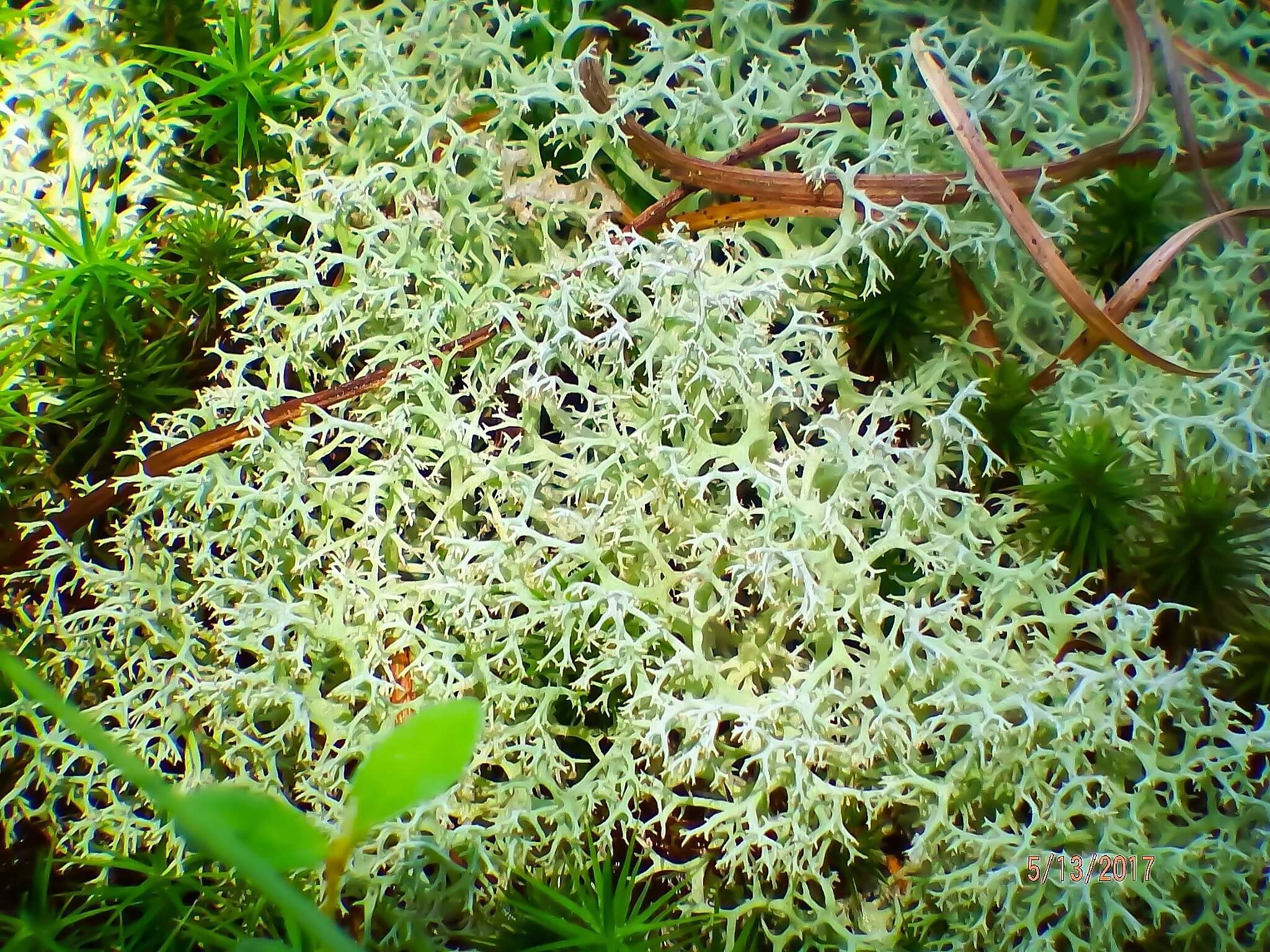
  1. “Branched (Fruticose) Lichen” by Cliff Sheridan


    This is a Pioneer Plant that grows on thin, rocky soil. The fungal threads making up the lichen have a symbiotic relationship with the microscopic algal cells living among them.

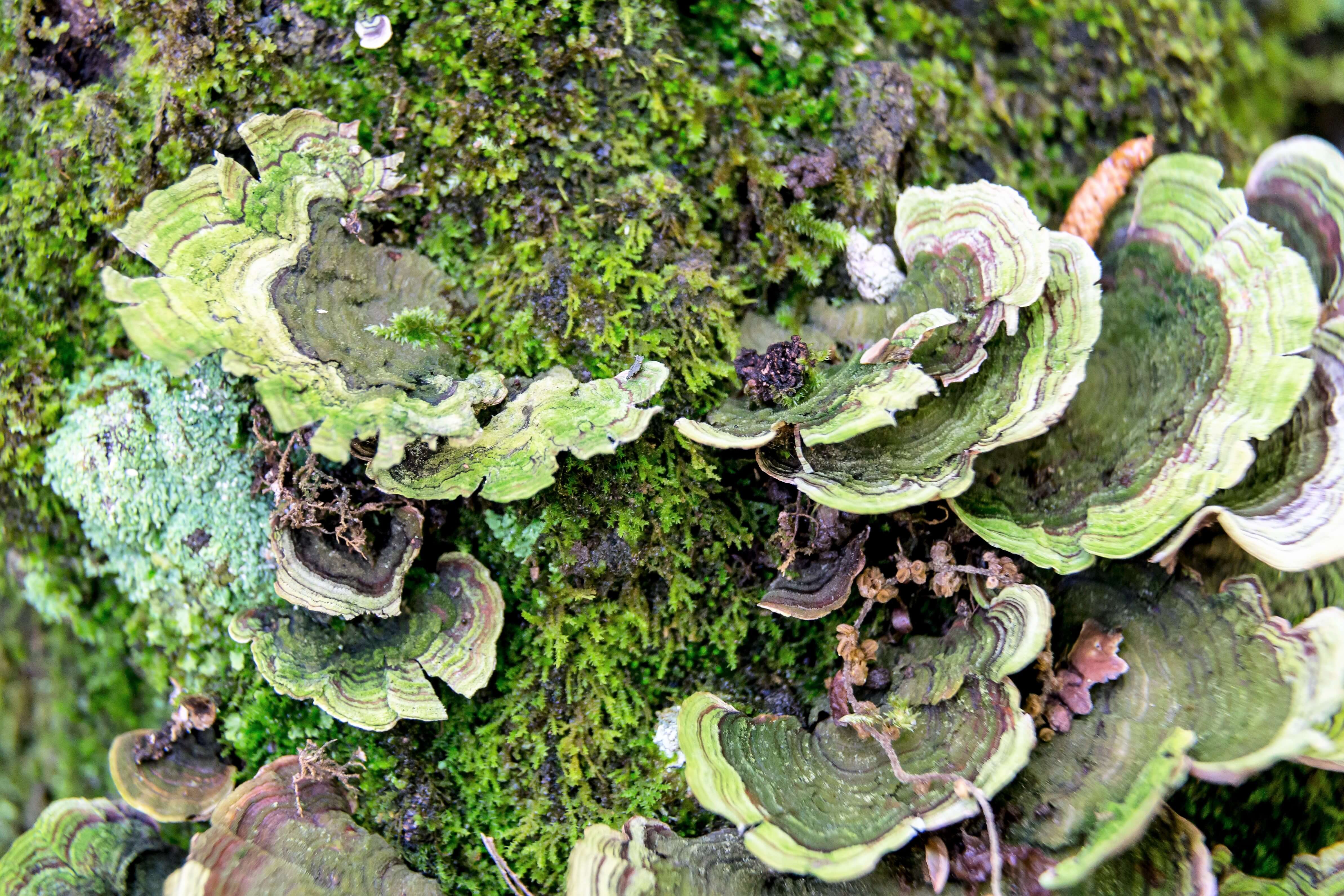
  2. “Surface Algae Cells on Bracket Fungus with Moss” by Jeff Wittenburg


    Life on a log. Green algal cells are on the surface of a species of bracket fungus, the fungus having grown from the hyphal threads of the fungi decomposing the log. Brackets are producing spores as a part of the fungus reproduction cycle; all of this is happening on the dead log on which leafy, green mosses thrive rooted among the fungi.

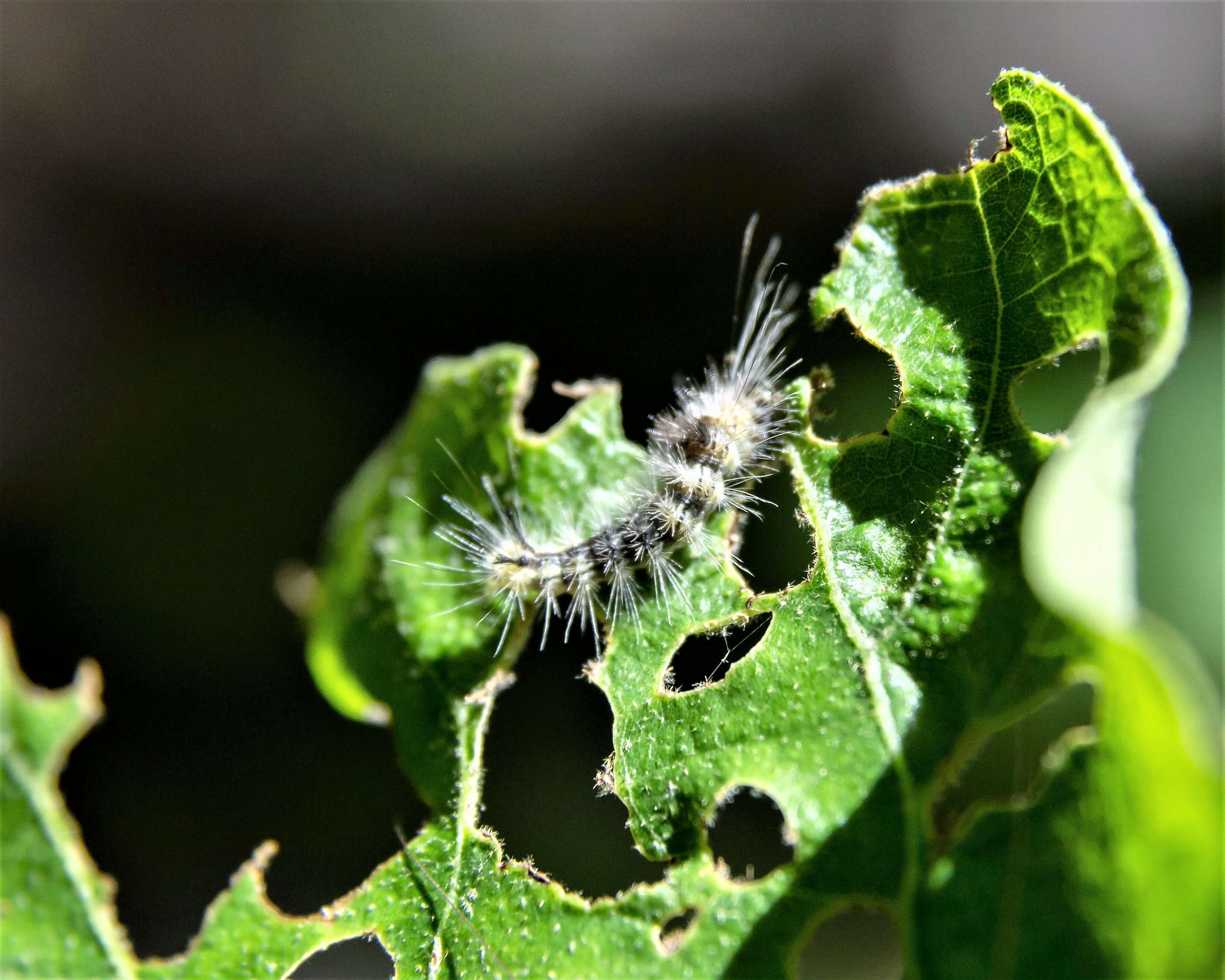
  3. “The Hungry Caterpillar” by Jeff Wittenburg


    This hairy caterpillar, in moth larval stage, is lunching on an oak leaf and may in turn be lunch for some bird that will sing in the woods as it searches for a mate.

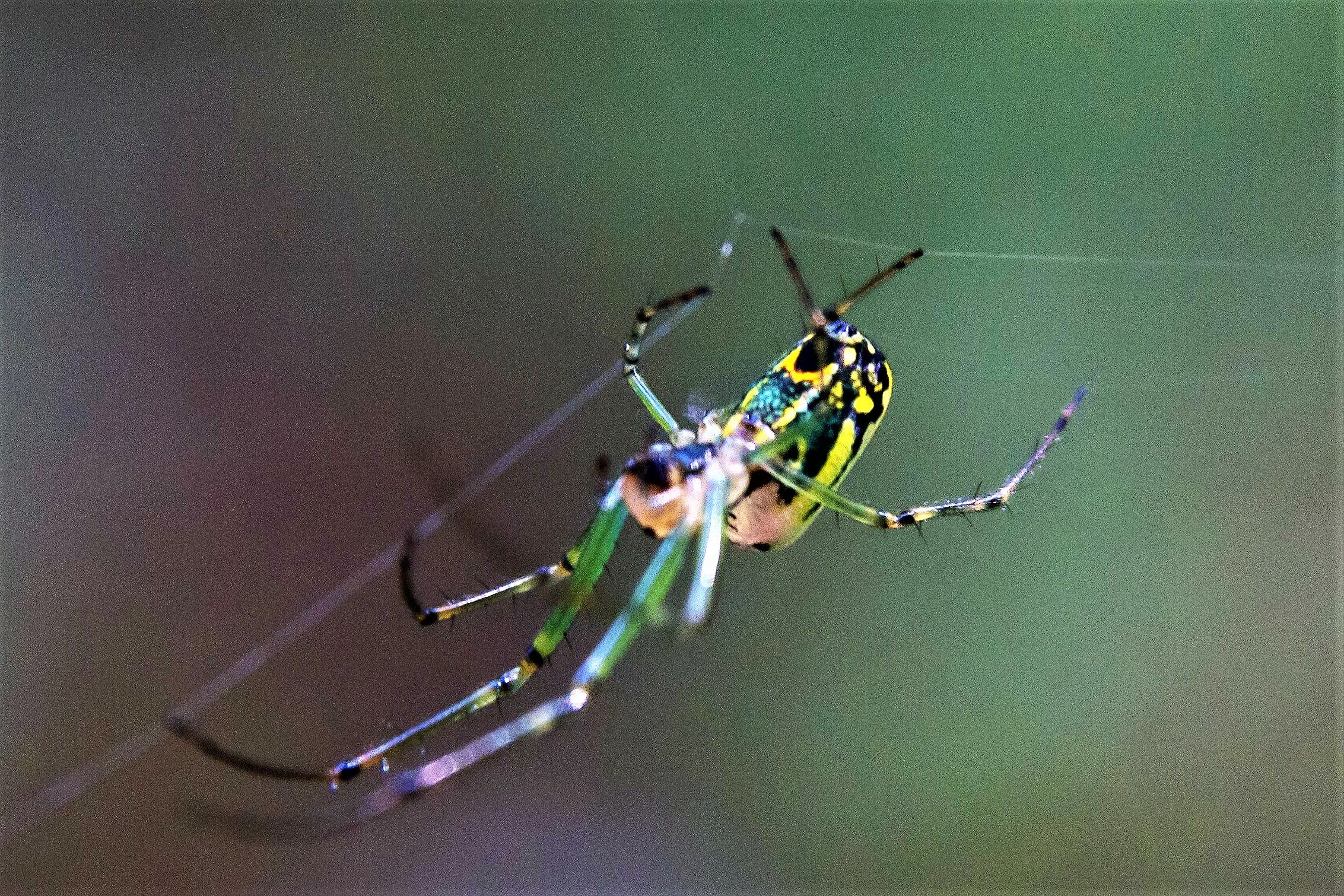
  4. “Colorful Spider Spinning its Web” by Jeff Wittenburg


    The spider in this picture, spinning its web, is not an “insect”. It has eight legs and belongs to the class Arachnida. Insects have six legs and belong to the class Insecta. Visitors interested in the study of Arachnology (spiders) and Entomology (insects) will have many different species to observe while walking our trails.

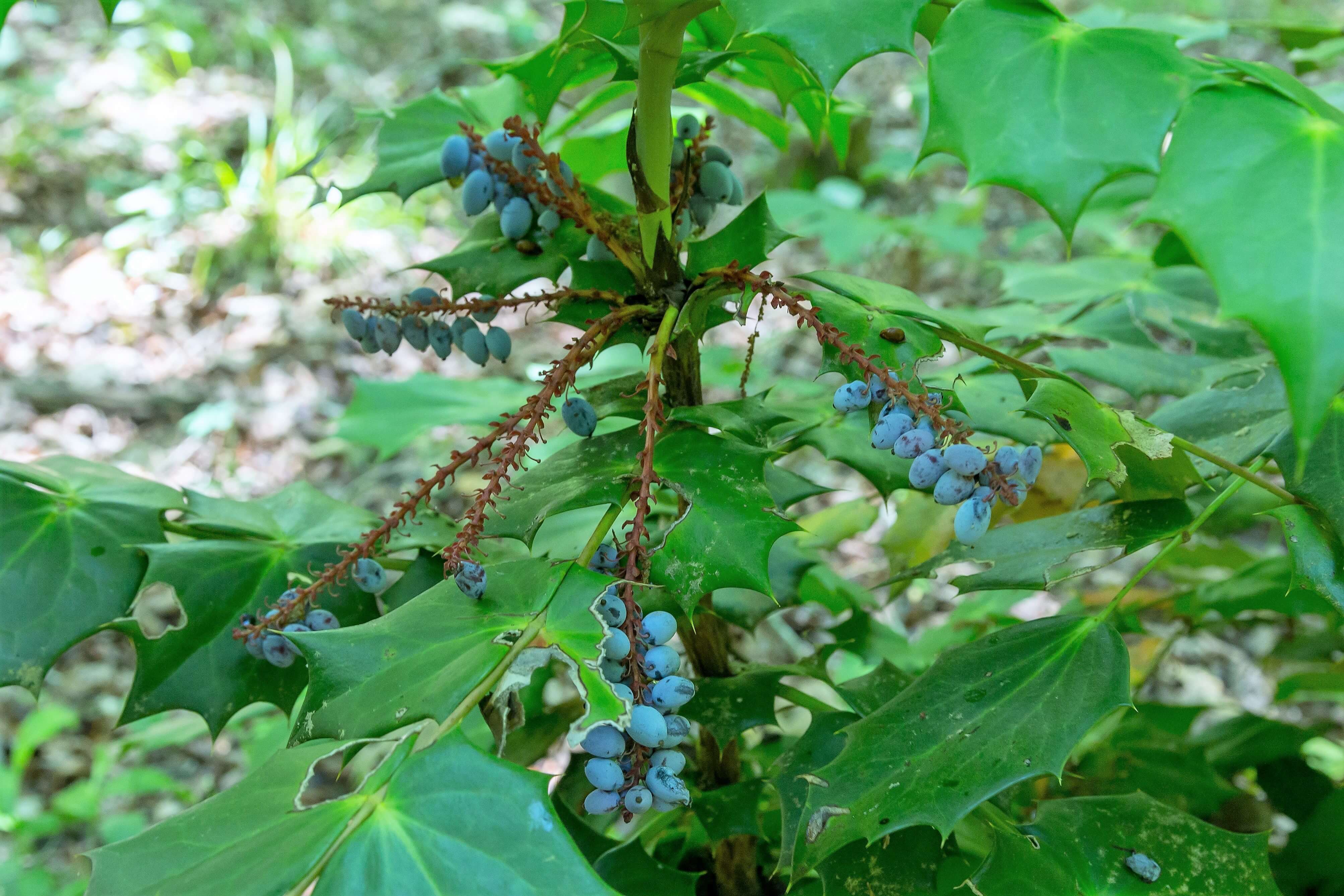
  5. “Grape Holly Berries (Invasive)” by Jeff Wittenburg


    The Grape Holly Bush is an invasive plant found growing at South Fork Nature Center. Part of our mission at the Nature Center is to control or eliminate invasive species so that the native plants can thrive and not be overgrown.

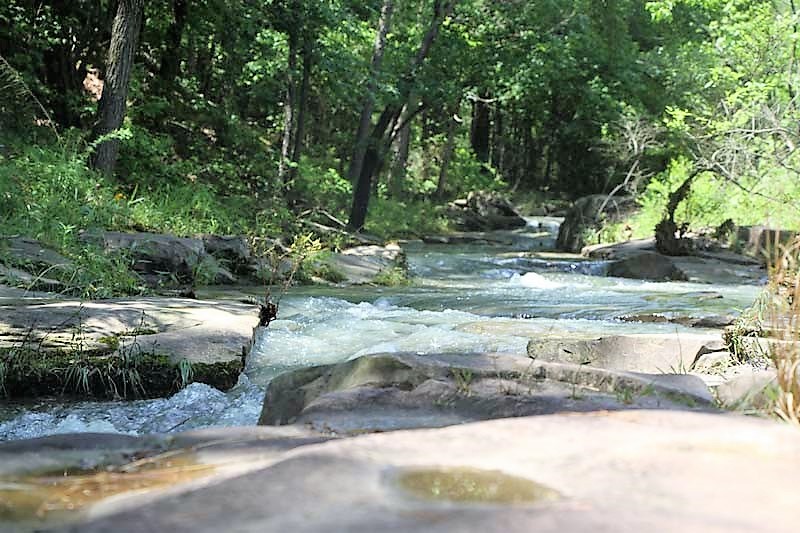
  6. “Aquatic Habitat” by Bob Verboon


    This picture was taken alongside the Creek Glade. The little pools of water created along the sides of the creek create small habitats for some of the Nature Center’s smallest residents.

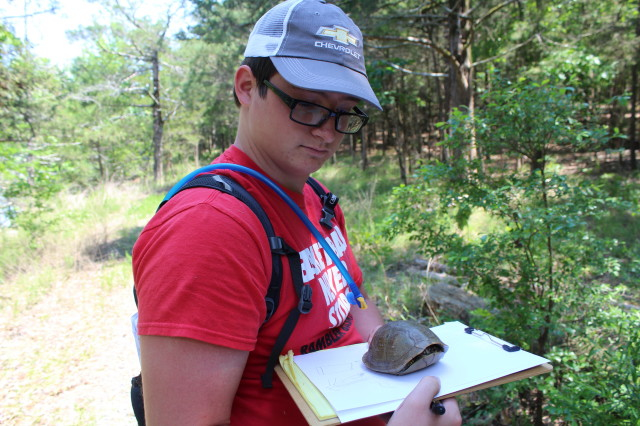
  7. “Box Turtle” by Cliff Sheridan


    This box turtle was observed sunning itself. It can be classified as an omnivore (it eats both plants and animals). It is an integral part of the native population and food web present as South Fork Nature Center. If you observe one while walking the trails, please leave it in its natural habitat.

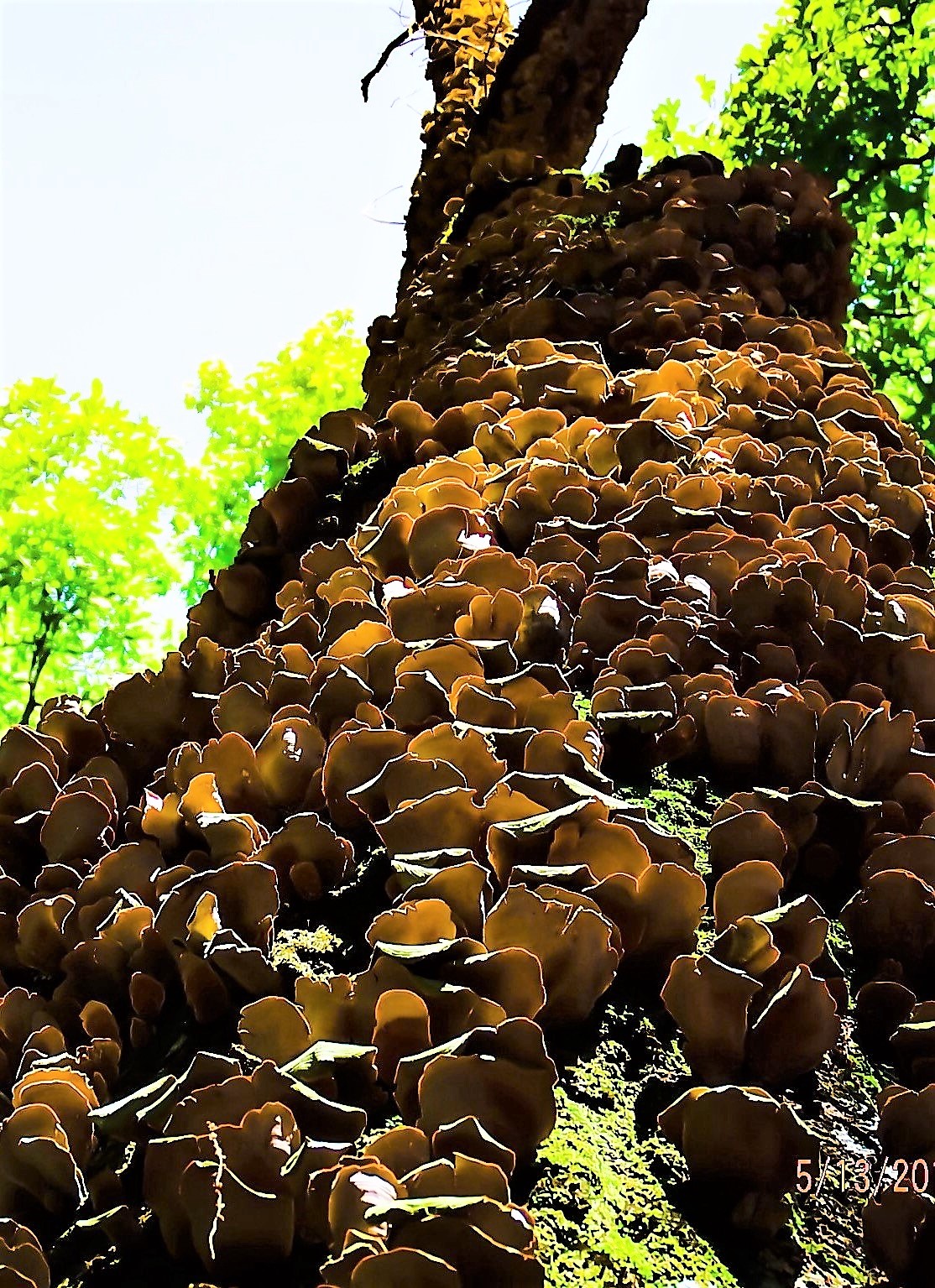
  8. “Bracket Fungus on Tree” by Cliff Sheridan


    The bracket fungus pictured here is decomposing the wood of the tree. It is a saprophyte which means that it derives nourishment from dead or decaying organic matter.

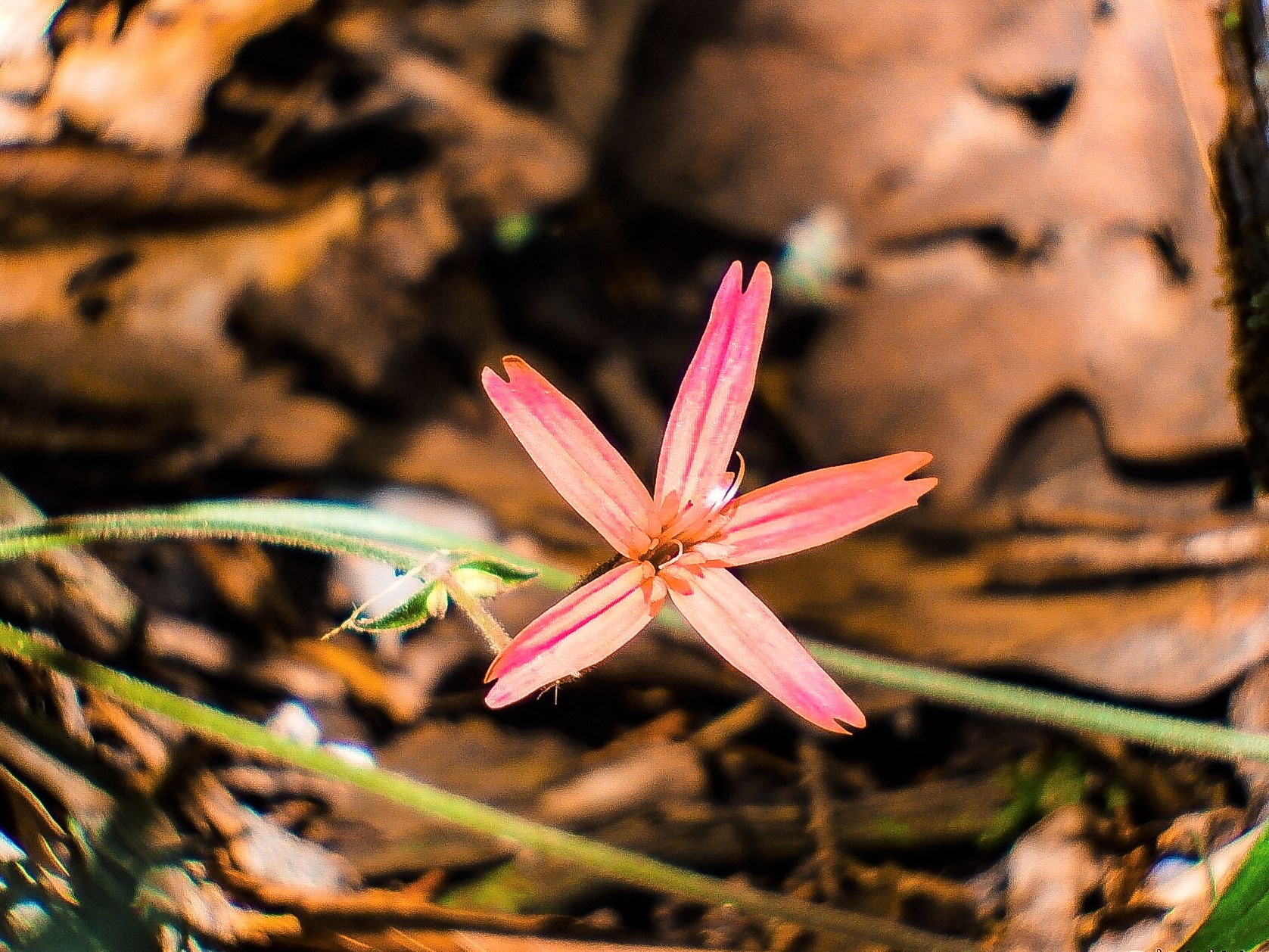
  9. “Fire Pink Flower” by Cliff Sheridan


    The flower is named “pink” not from its color, but because the edges of its petals are “pinked’ or notched. It is in the carnation family. It is one of the 580+ species of plants inventories at South Fork and present in our herbarium located in the Gates Rogers office in downtown Clinton.

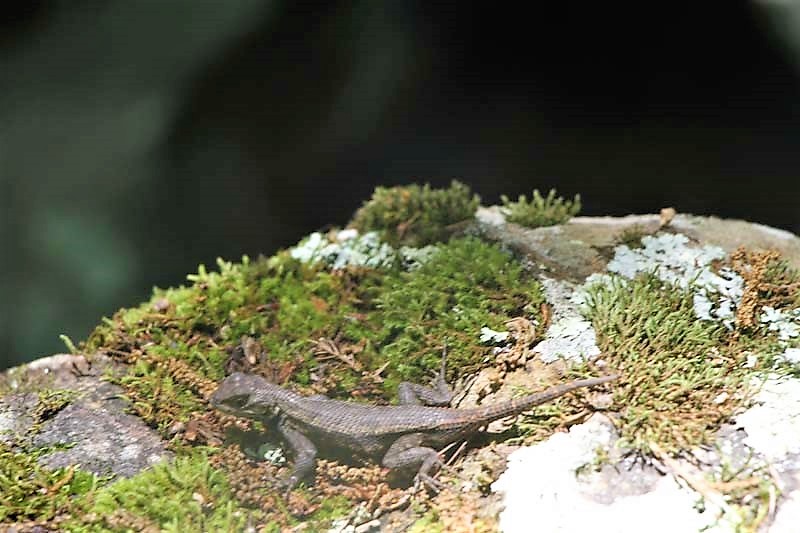
  10. “Small Scaled Lizard” by Bob Verboon


    This lizard is only visible because it is located on a green background. The natural camouflage of its scaled skin affords it protection from predators. Visitors can observe examples of nature’s “camouflage” on many of the species present in the natural habitats which make up the Nature Center.

Mark Your Calendars: June 17 “Pollinator Event”

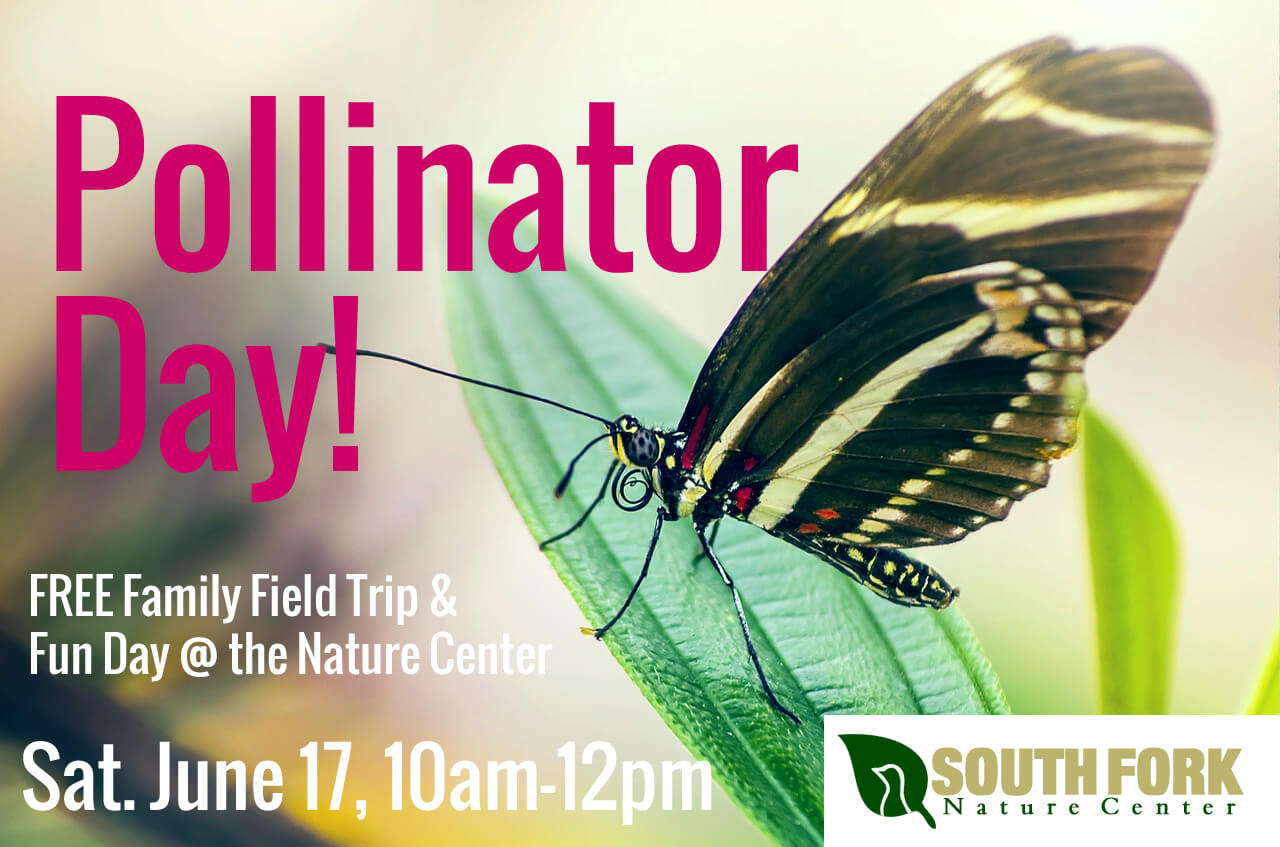
June 17, 2017 (Saturday) 10:00 – 12:00 “Pollinator Event”

Help South Fork Nature Center kick-off National Pollinator Week with a family friendly morning spent investigating “Pollinators in our World”. We promise you a fun, educational experience geared for all ages with our experts. A “Pollinator Walk”, hosted by one of our highly-trained docents, is sure to be a highlight of the morning!

Guided trail walks led by our docent biologist & entomologist
Monarch Habitat Tour
Learn about apiology from a local beekeeper
Q&A with native plant enthusiasts
“How to start your own Pollinator Garden” 
Fun & crafts: Butterfly “puddle stones” & native seed balls

Forest Management Meeting

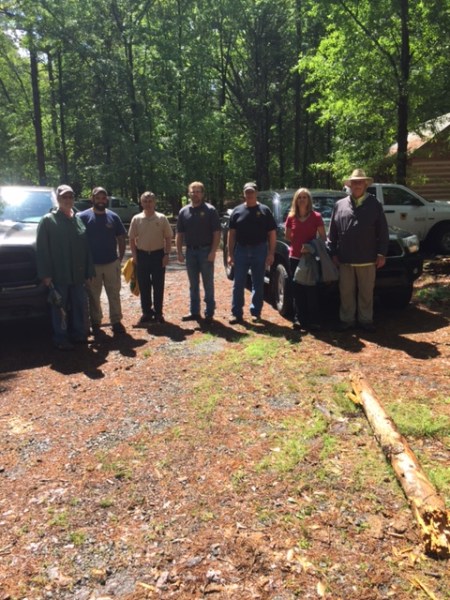
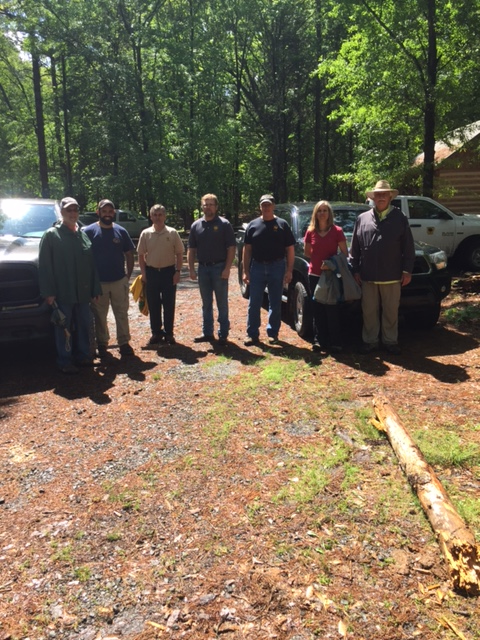
Don Culwell, Janet Miron, Bob Hartmann and Don Richardson of the SFNC Board met with Clint Johnson from the Arkansas Game and Fish Commission, Mike Cagle from the Arkansas Forestry Commission, Joe Krystofik from the U.S Fish and Wildlife Service and Joy DeClerk of The Nature Conservancy to talk about a plan for the management of the forestry resources of the Center. We discussed that we wanted to have a forest that was representative of the native species common to the area to use as a teaching tool in our conservation outreach. Clint Johnson volunteered to write a first draft of a plan for the Board to consider.

Rose Bud High School Visit

ROSEBUD HIGH SCHOOL STUDENTS VISIT SOUTH FORK NATURE CENTER

Joyce Hartmann

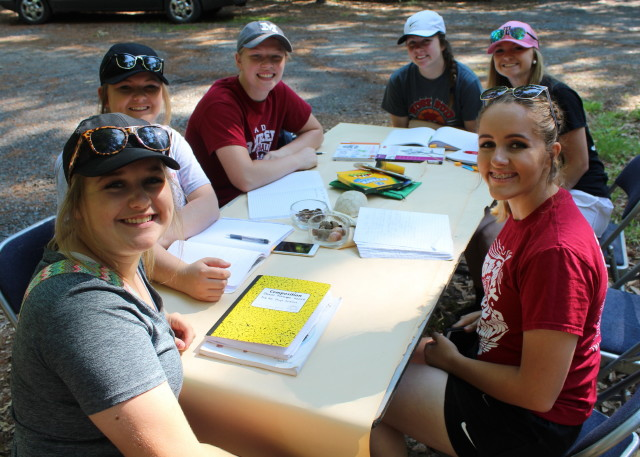
Four small groups met at the cabin for hands-on outdoor education:
in the foreground are students working on their art journal page after
illustrating their impressions on a short hike; on the left is a group
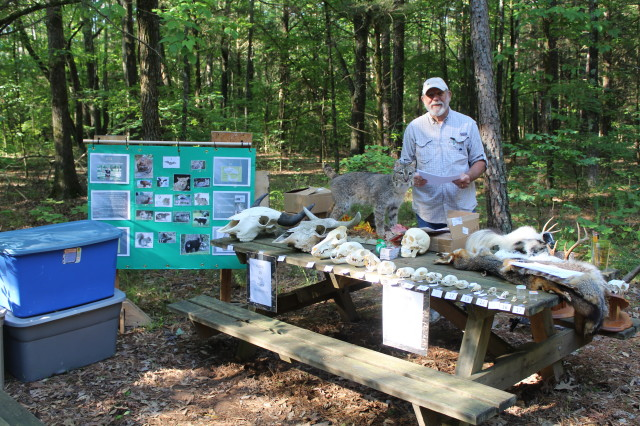
receiving instruction from Bob Verboon on how to identify animal skulls; on
the right is a group studying flowers and plants with Don Culwell. Shirley
Pratt has a group identifying edible and medicinal plants on the trails.

The weather was perfect the morning of May 9th, when the Rosebud High School Pre-Advanced Placement Biology Sophomores with instructor Margaret Moon arrived. Dr. Don Culwell met the school bus and led the group on a nature walk through the woods to the cabin, where he shared the story of folk singer Almeda Riddle, and how this authentic 100-year-old important piece of history was moved and restored.

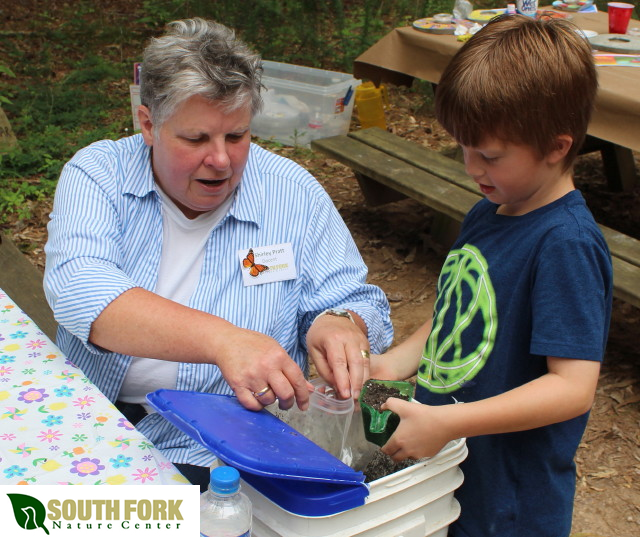
Four docents provided hands-on instruction: taxidermist Bob Verboon brought his amazing collection of skulls, Shirley Pratt led groups along trails to show edible and medicinal plants, Don Culwell taught hands-on flower structure and function, and artist Joyce Hartmann led the group in drawing techniques and constructing a group nature art journal.


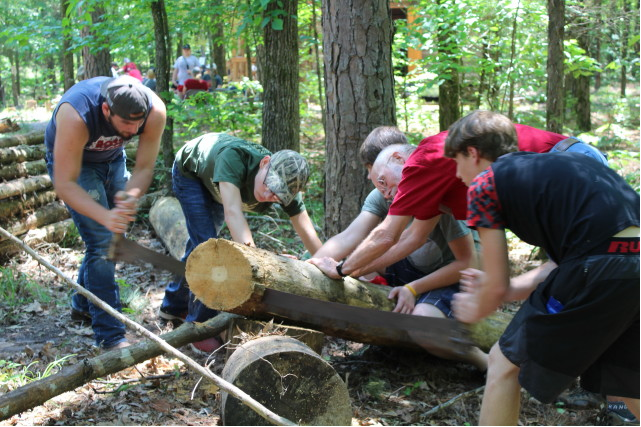
After these sessions and lunch at the picnic tables, students got a good workout when they tried their hand at cutting logs using crosscut saw techniques. After a concluding hike to the waterfall, everyone loaded up on the bus for the return home, taking along memories of a great time with many new things learned.

April 2017 CAMN Workshop

CULWELL LEADS MASTER NATURALISTS IN SATURDAY WORKSHOP

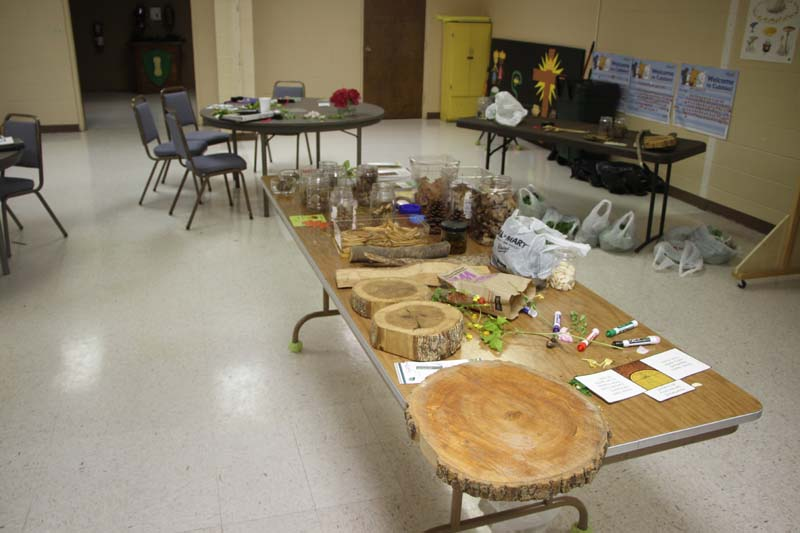
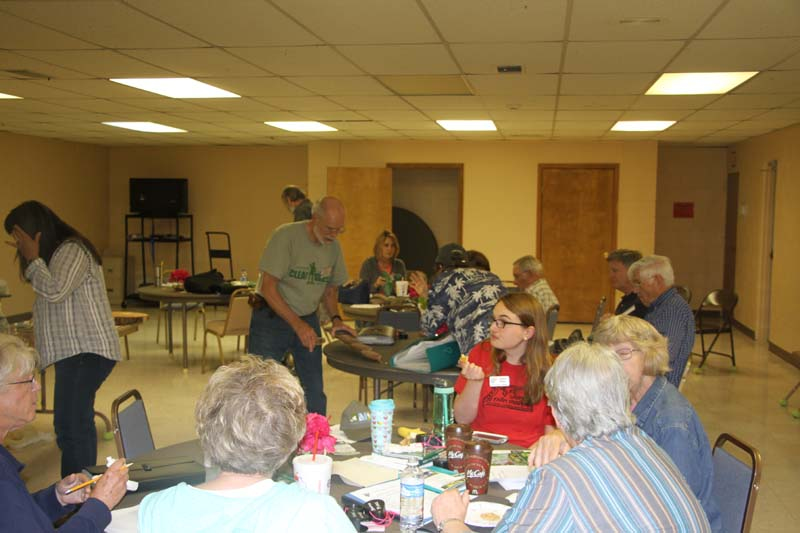
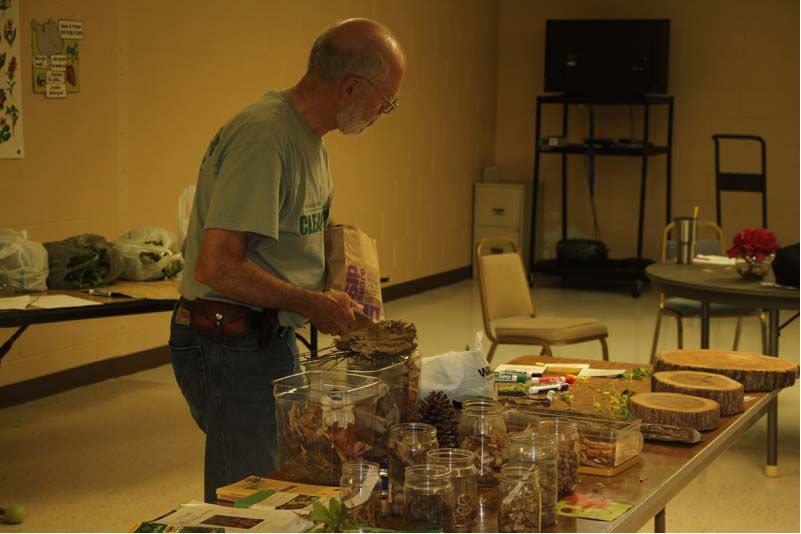
Seventeen members of the Central Arkansas Foothills Chapter of Master Naturalists met on Saturday, April 19, for their last formal Saturday class before completing their study requirements begun back in January (they will have completed course requirements involving the environment and its plants and animals). Saturday’s class dealt with many aspects of plants (herbs, woody plants, their flowers, fruits and seeds). Bob Verboon was the Master Naturalist in charge of the class as Culwell had students dissecting flowers and other plant parts noting their structures and functions. Afternoon time was spent learning how to use a plant key (Trees of Arkansas from the Forestry Commission) to identify trees; an outside walk to key out lawn trees and learn their features gave students welcome experience.

The class session, scheduled to be held at South Fork Nature Center, was held in the First Baptist Church fellowship hall in Clinton due to the extended rain potential forecast for all day.