July 16 Program: “Think Outside”

Think Outside – No Box Required. Using outdoor experiences, traditional and non-traditional, k-12 educators and the public are invited to SFNC, Sat. July 16, 9:00-11:00 to see how new state science and literacy standards can be met by taking your students….outside.

Suzanne and Marc Hirrel, docent facilitators, will lead you in new Project Learning Tree (PLT) and Leopold Education Project (LEP) curricula and show why learning outdoors can lead to higher achievement test performance. Participants will receive a curricula sampler and credit hours toward PLT and LEP certification.

Marc Hirrel Workshopat South Fork Nature Center

6th Annual Butterfly Release


Saturday, June 18, 2016
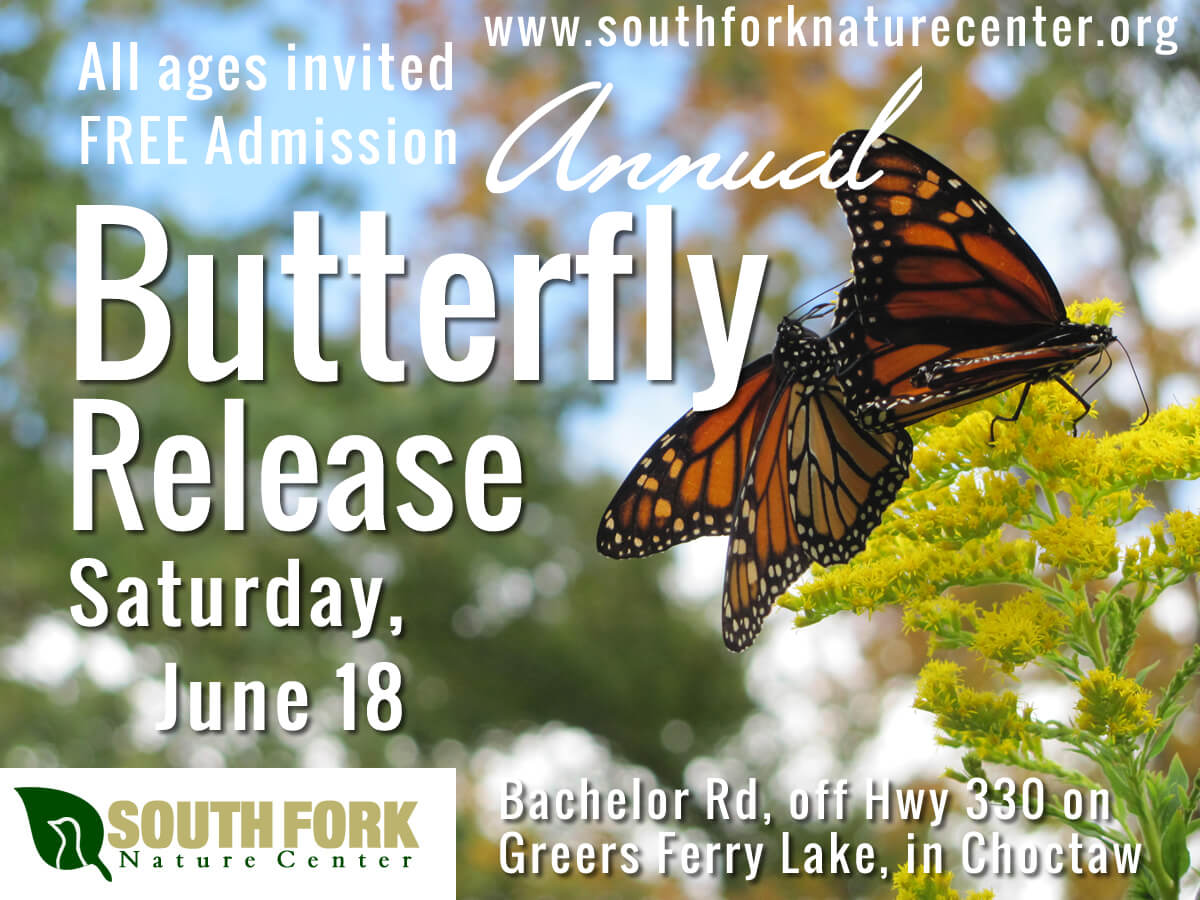
The 6th annual butterfly program at South Fork Nature Center was attended by about 65 interested people. It included dressing children as butterflies to review insect anatomy, learning about and observing the life stages of 8 species of local butterflies, and releasing 8 adult butterflies and about 50 Monarch eggs and caterpillars on their milkweed host plants.

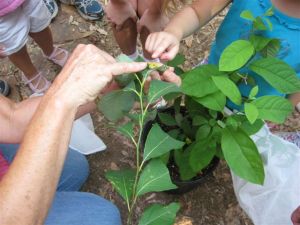
During the segment about Monarch butterflies, 18 people from the audience were given butterfly weed seedlings to take home and plant in their yards.

A highlight of the event happened at the very end when a Pipevine Swallowtail adult broke its chrysalis open and crawled to a spot for wing expansion and drying. It always feels like such a privilege to witness the beginning of the adult stage of a butterfly’s life.
Ruth Andre

Clinton Summer School Kids Head for the Woods


June 10, 2016…the day 55 summer school kids K-8 under the direction of Kathi Beavers, the manager of the Clinton program, arrived at the South Fork kiosk for a day of fun, learning and games. Nine docents took the kids, divided into age groups, out on the trails to see, hear smell, and touch nature.

When a log was turned over in the moist leaf litter along the trail, excited kindergartners whooped and hollered at the several flesh-colored earthworms writhing to get back in the darkness of the rich soil under the log. Picking them up the kids noticed the slimy wet feeling and one that “pooped” on a girl’s hand…all very natural. They read the words on the stone signs naming trees alongside the trail (called them “clues”)…oak, red, tree…some recognition crept into their young and inquisitive minds.

Our group of 3rd and 4th graders were each given an identical bag of “natural” building supplies consisting of objects found at South Fork. They hiked the trails as a group talking about the natural habitats of creatures living at the nature center. Fox dens, spider webs, birds nests, carpenter bee infested trees were just a few of the “habitats” observed. After hiking, the students independently worked at creating a habitat for a real or imaginary animal. They used donated pizza boxes as their stage and presented their creations to the group-once again reinforcing what they learned about habitats and the impact humans can have on them. They really did get creative…competition was keen for the best creative art design!

Seventh and eighth graders examined the emerging milkweed populations planted a year ago to enrich the glade habitats for the monarch butterfly populations in the South Fork area. They ran statistics on the numbers of plants surviving the summer and winter conditions which involved moisture, temperature and herbivore activity.

12:00 noon…time to be back at the Riddle Cabin for lunch at the picnic tables; the warm, humid day caused many iced bottles of water to be opened for a good cool-down. Some lunch-time conversations centered around what life in the 100 year old log cabin, where Granny Riddle had grown up, must have been like (many kids noticed that they could not have plugged in their tech devices).

Lunch being over, one group of kids followed a docent on a trail-side game activity…another group carried the long, 5 foot cross-cut saw (a handle at each end) to the big 16 inch log awaiting saw action. As sawdust fell on each side of the log, students were reminded that the saw had cut through rings of wood growth laid down during times when particular activities of the years had occurred (16 or so rings into the log was when the twin towers in NY had come down…etc.). Trees of the forest continue to put on rings of wood, one or more a year, documenting the history of each year; oak, hickory, pine, each grows ever larger on the forest floor.

As 1:00 rolled around, Mike Wells, their junior high principal and bus driver, noted the time to return to campus…the day was about to end at South Fork…it had been another grand experience out in nature!!
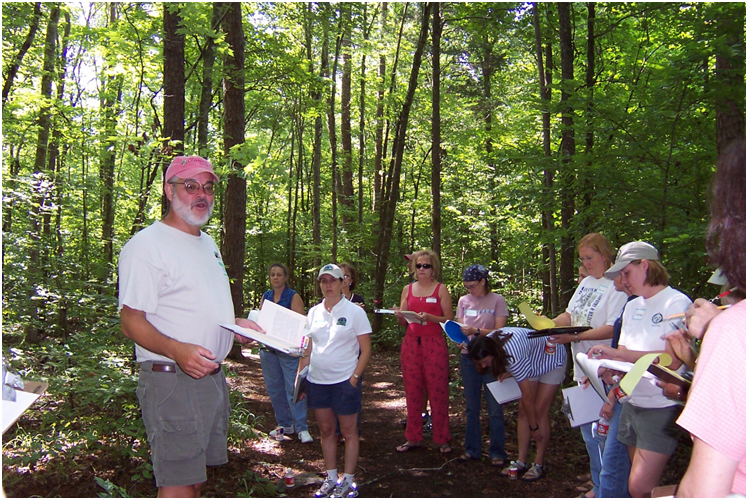
June 18th Butterfly Release

2016 Butterfly Release South Fork Nature Center Greers Ferry Lake2

10am on Saturday, June 18 @ South Fork

The very popular Butterfly program with Ruth Andre is the focus of this month’s program. So, if you are interested in butterflies and would like a close encounter with some of those flying beauties, come to South Fork Nature Center on June 18 beginning at 10 AM. There will be displays of butterflies in all stages of their lives, discussion about their place in the ecosystem, and a release of adults into nature by participants.

Due to the elusive nature and sometimes very small size of butterflies, many of us haven’t witnessed traits such as the clubs at the tips of antennae, the furry looking head and thorax of the body, and the way light reflects off of the eyes in species specific patterns. At this event you will have an opportunity to experience all of them.

The program will also address any questions that participants have. So, bring questions, friends, and family to this event in the wooded environment of South Fork Nature Center. For more information call 501-745-6444.

This program is free and open to the public. Drive through the South Fork Nature Center entry gate down to the Riddle Log Cabin to begin the trail walk.

Click here for driving directions →

National Pollinator Week

Janet Miron

June 20-26, 2016 has been designated National Pollinator Week by the U.S. Department of Agriculture and the U.S. Department of the Interior. It’s a time to celebrate pollinators and spread the word about their importance and what you can do to protect them.

A pollinator is an animal that moves pollen from one part of the flower of a plant to another. This is an important step in most plants’ ability to make fruit or seeds. Some of the most efficient pollinators are bees, hummingbirds and some kinds of butterflies. They get their food from the flower of the plant and brush up against the different parts of the flower. The pollen then fertilizes the plant. Only fertilized plants can make fruit and/or seeds, and without them, the plants cannot reproduce.

Food Chains, Foodwebs & Energy Pyramids: This program includes games such as “Oh Deer!” and simulations such as “Weaving the Web.” Students can participate in an actual field study of different ecosystems found in our world. They will be able to reinforce their knowledge, demonstrating competition for resources within an eco-system and the interdependence of organisms in an eco-system.
Sometimes wasps, flies and spiders hide in the flowers and spread the pollen, but usually in a less efficient way. Wind and water can also help with pollination by distributing the pollen. Some plants like soybeans do not require pollinators at all.

What happens when there are fewer pollinators in an ecosystem?

Without pollinators, humans and wildlife wouldn’t have much to eat or look at. Wildlife would have less nutritious berries and seeds and humans would miss many fruits, vegetables and nuts, like blueberries, squash, almonds, chocolate and coffee!

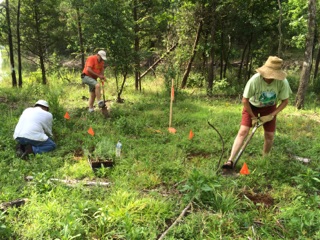
South Fork Nature Center has started a Habitat Restoration Program to ensure sufficient foraging/nesting habitat for a particular pollinator, the monarch butterfly. Even though these butterflies are not as efficient as bees in pollinating flowers because of their long skinny legs, they are very active during the day and visit a variety of wildflowers. The Nature Center planted over 500 milkweed plants last summer. The caterpillars of the monarch butterfly feed on the leaves of these milkweed plants. Increasing a food supply for the butterfly is just one Pollinator Friendly Practice that helps protect them.

South Fork Nature Center Master Gardeners Planting Milkweed

Come visit South Fork Nature Center on Saturday, June 18, 2016 at 10:00 a.m. for our “Third Saturday of the Month” Program. We’ll get an early start on celebrating “National Pollinator Week” With Docent, Ruth Andre’s annual butterfly presentation and butterfly release event. The program is free and open to the public!

Want to find out more about pollinators and the threats they face, or want to learn more about Pollinator Friendly Practices? Check out these links!

US Fish & Wildlife Service: Help the Pollinators →

Pollinator-Friendly Practices (PDF) →

May 21 Herbal Workshop


Photos courtesy of Faye Rodgers
Thank you to our special guests at today’s “Handy, Helpful Herbs” workshop! It was a glorious day at the nature center for sharing the joys of our nature trails and learning about historical uses of our native plants from knowledgeable docent, Shirley Pratt.

The programs at the Nature Center every 3rd Saturday of the month are FREE and open to the public. The trails are open year-round, so don’t miss a chance to visit this remarkable facility!


(Photos courtesy of Johnny Sigler)
The 3rd Saturday Morning at South Fork for May dawned bright and beautiful, perfect weather day for a trail walk! Although few in number, visitors arrived with high anticipation for Handy, Helpful Herbs of South Fork, the walk led by docent Shirley Pratt.

The group met at the Riddle Log Cabin for a welcome and introductions and a quick look at a reference list for future research on their own. Then off to the cedar glade trail! Some handy food trees along the trail included white oak for acorns to roast, hickory for nutty treats, pine for flour made from the inner bark. The group discovered some unexpected medicinal qualities of the dogwood, whose bark has been used as a fever reducer; the wild black cherry’s bark was used as an expectorant for congestion; and the eastern red cedar multi-tasked as a strong diuretic, insect repellent, source of vitamin C, as well as a treatment for itchy skin, not to mention fence posts!

Helpful plants on the forest floor were little wild onions, nature’s tasty but powerful antibiotics. Goat’s rue was discovered on a rock ledge, a plant used by Native Americans in stream pools to stun fish for an easy catch for supper. So many interesting plants were encountered! Back at the cabin, the group relaxed around the picnic tables as they were introduced to surprisingly handy and helpful common “weeds” probably growing on their own property! What a great day!

Come out every 3rd Saturday April through November and discover the many faces of South Fork, meet new friends, and learn new things about the wonderful world of nature in your own backyard!