Botany Workshop

halberg

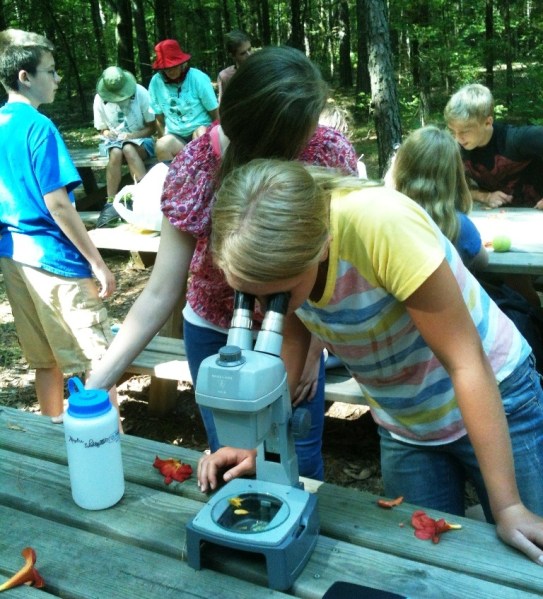
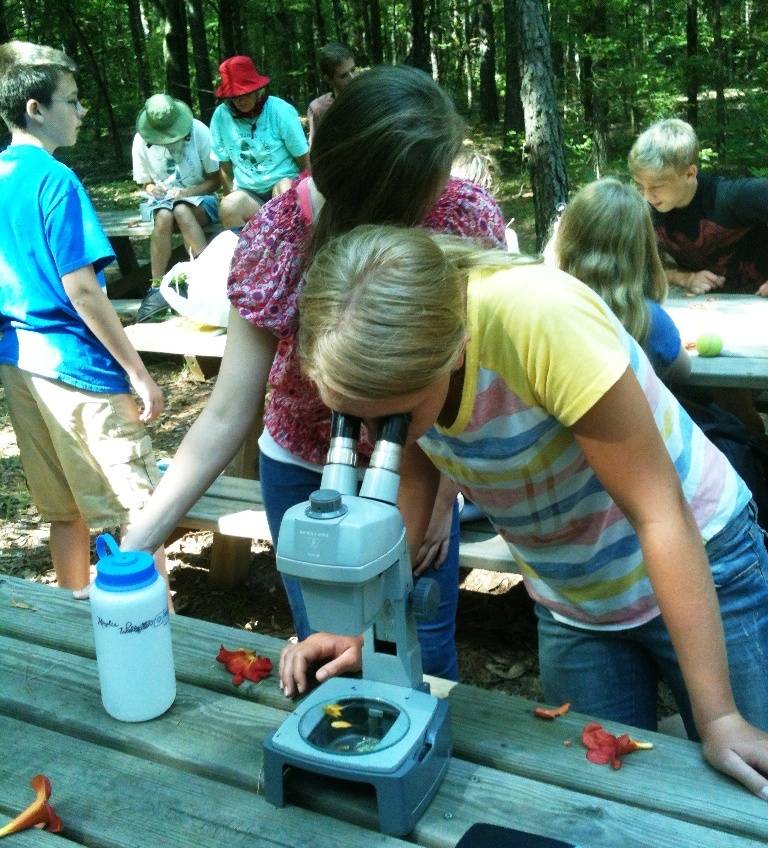
Students spend time in South Fork’s “outdoor classroom” dissecting flowers using dissection microscopes as they discuss the sexual reproduction system of a flowering plant and how the flower is adapted for the reproduction process. They also discuss how fruit and seed dispersal play an important role in maintaining a species.

Framework

  • CDL.7.B.15 – Vascular and nonvascular plant differentiation
  • CDL.7.B.16 – Cycads, gymnosperms and angiosperms differentiation
  • CDL.7.B.17 – Structure and function of the major parts of a plants: roots, stems leaves and flowers
  • CDL.7.B.18 – Relate the structure of Plant tissue to its function: epidermal, ground and vascular
Go back to previous page →

South Fork Nature Center Herbarium

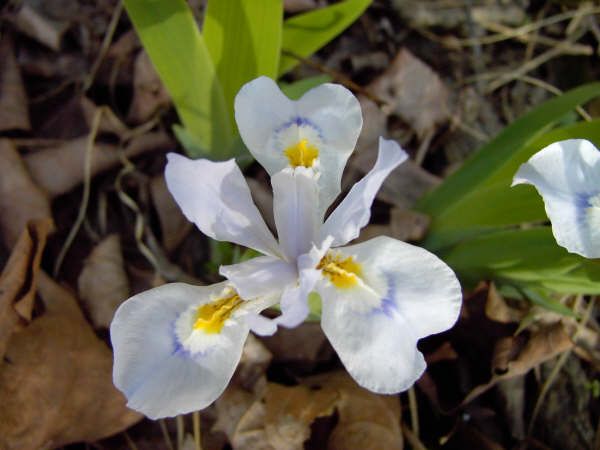
Crested Iris (Iris cristata)

Classes may also schedule a visit to the SFNC Herbarium in downtown Clinton at the GRF Office, where they learn about the importance of herbarium specimens in research and how the specimens are prepared. The SFNC Herbarium collection contains about 850 plant specimens representing all the species known to exist on the grounds of South Fork.

Framework

  • CDL.7.B.15 – Vascular and nonvascular plant differentiation
  • CDL.7.B.16 – Cycads, gymnosperms and angiosperms differentiation
  • CDL.7.B.17 – Structure and function of the major parts of a plants: roots, stems leaves and flowers
  • CDL.7.B.18 – Relate the structure of Plant tissue to its function: epidermal, ground and vascular
Go back to previous page →

Where does your water shed?

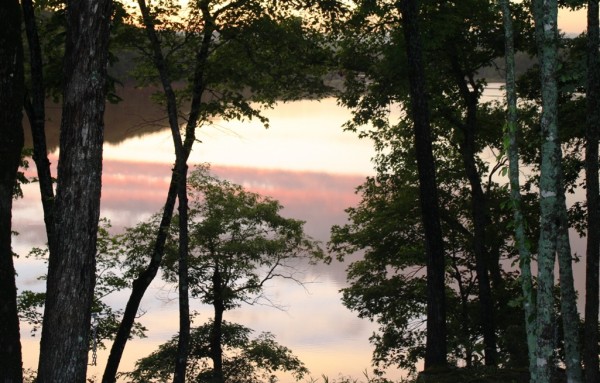
Greers Ferry Lake

Students will discuss how important it is to be aware of the watershed you live in and how your lifestyle can affect it. They will discuss the watersheds that they live in, including the South Fork of the Little Red River and Cadron Creek watersheds. They will also discuss the importance of the Local Conservation Disctrict, concentrating on the South Fork of the Little Red River.

Framework

  • LS.4.5.5 – Examine the role of food, space, water and shelter on the carrying capacity of an ecosystem.
  • BD.2.ES.9 – Describe how limiting factors affect populations and ecosystems
  • EBR.8.B.1 – Abiotic and Biotic factors in an Ecosystem
  • LS.4.8.1 – Analyze the effect of changes in environmental conditions on the survival of organisms and entire species
  • EBR.8.B.5 – Population Control Factors in an Ecosystem

Go back to previous page →

Butterfly Metamorphosis

butterfly-release2

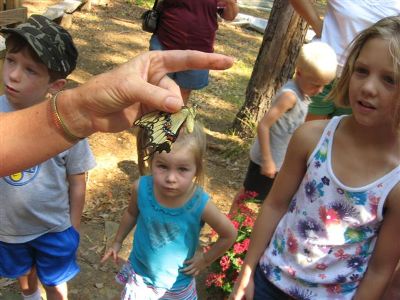
Students can see many specimens of butterflies and moths while discussing the complete metamorphosis of the species. A seasonal release is also conducted annually at South Fork. Usually eggs, larva, chrysalis and adult butterflies are available for observation. The butterflies relax in little cooled envelopes until warmed up for release.

Go back to previous page →

Identifying Trees of Arkansas

arnps1

Students will learn about leaf and twig characteristics in order to key out (identify) trees of Arkansas using dichotomous keys. Hand lenses and dissection microscopes are available for students to use. Pairing this workshop with one of South Fork’s two “trail walks” will reinforce the inofrmation, and newly-found identification skills can be practiced.

Framework

  • LS.4.4.1 – Recognize environmental adaptations of plants and animals
  • CDL.7.B.15 – Vascular and nonvascular plant differentiation
  • CDL.7.B.16 – Cycads, gymnosperms and angiosperms differentiation
  • CDL.7.B.17 – Structure and function of the major parts of a plants: roots, stems leaves and flowers
  • CDL.7.B.18 – Relate the structure of Plant tissue to its function: epidermal, ground and vascular
Go back to previous page →

Stream & Fishery Ecology

Archey Creek Reclaimed Timber

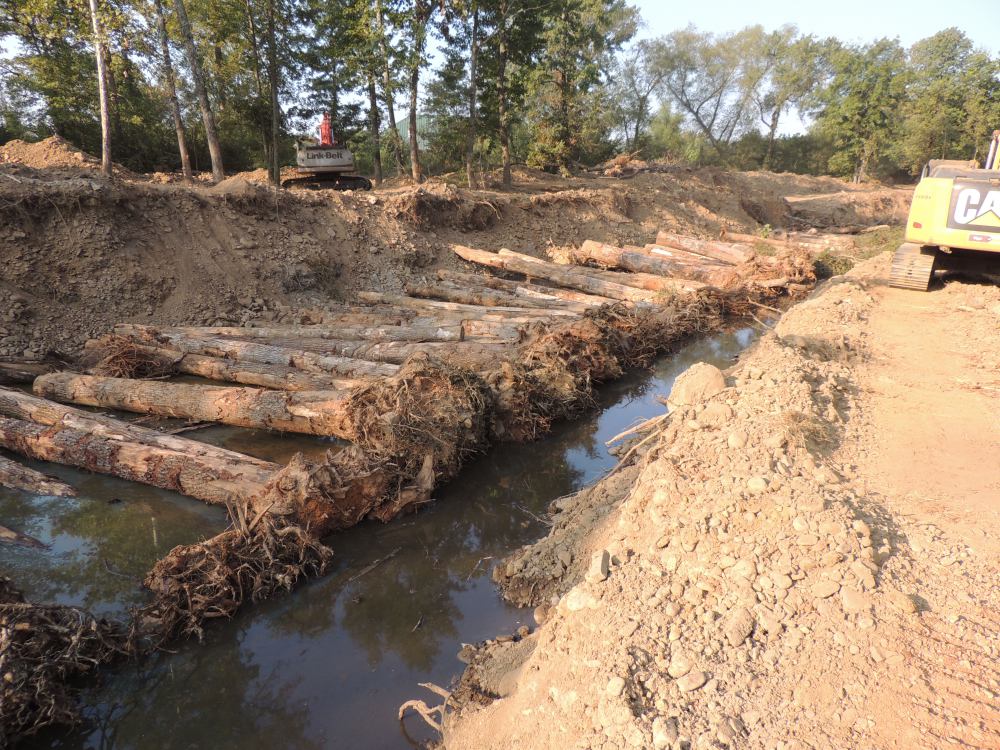
Students can view Pee Dee Creek and peninsula areas of the South Fork Nature Center and discuss what the original stream was like. They can also observe and consider characteristics of the existing impoundment setting, and focus on past, present, and future potentials of both water (aquatic) and fisheries communities. This session will be led by Bob Hartmann, Naturalist, Botanist, Mycologist, Icthyologist, retired from the Game and Fish Commission.

Framework

  • BD.2.ES.2 – Describe relationships within a community
  • BD.2.ES.9 – Describe how limiting factors affect populations and ecosystems
  • EBR.8.B.5 – Population Control Factors in an Ecosystem

Go back to previous page →