From glade clearing, forest thinning, from road and site clearing…piles of logs ten feet to thirty feet long, mostly cedar. Logs, logs, and more logs in stacks here and there, everywhere! They must be moved out of the way, making room for parking, making room for construction of the new outdoor classroom/pavilion, they all must be moved to a site for storage and later use. And what is left over must be burned or hauled off.
With Chris Graham using the grapple on the front of his red tractor picking up 3-4 logs at a time, with Bob Hartmann manning the chain saw for logs that were too long to carry and Don Culwell assisting, headway was made…logs were moved. George Baker and Bob Hartmann were another log moving team several weeks ago as they hooked a log chain to drag yet more logs too big to lift to their proper place.
Cedar logs being piled and saved will be used for projects such as building a maintenance shed, building benches for use in the new outdoor classroom/pavilion, milling boards for construction use, etc.
Thanks to all workers dealing with the South Fork timbers!
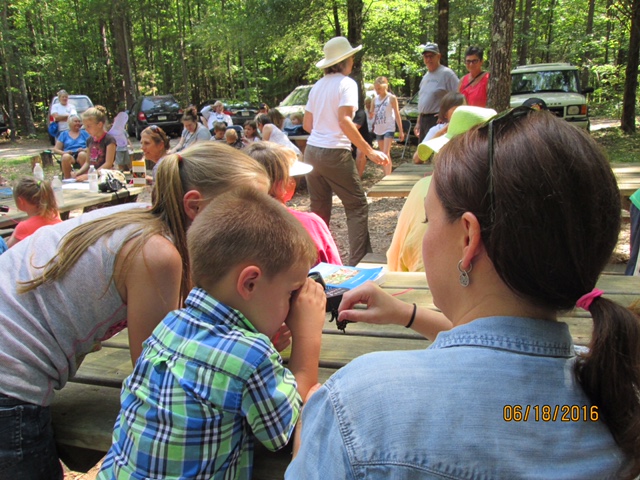
SFNC’s First Annual Pollinator Event was held on Saturday, June 17th. 50+ participants from all age groups were present on that overcast morning to explore the pollinators in our life.
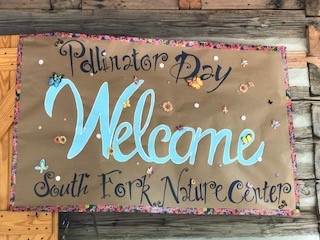
Pollinator Day Welcome Sign
Fascinating facts on the trail walk
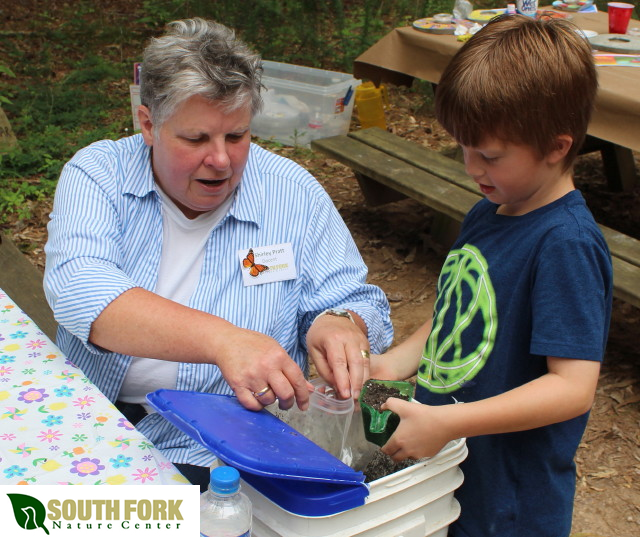
Docent Shirley Pratt teaches a curious guest how to make a seed ball
Jim Solomon, spreading his monarch wings!
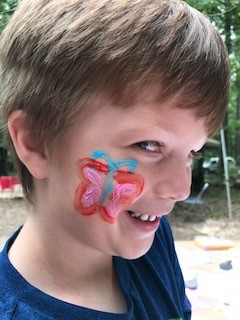
Face painting fun!
Activities of the day included Puddle Stone Painting, Seed ball creations, face painting and monarch wing dress-up! Participants of all ages were invited to participate. The pollinator hike toured some of our monarch habitat restoration sites in which SFNC planted over 500 native milkweed plants two years ago. Our first blooms of milkweed were viewed at this event!
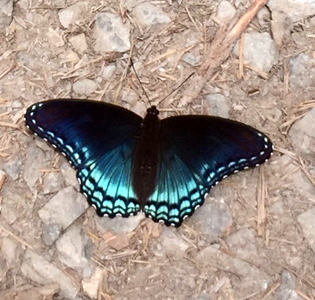
The special guest of the day!
We had four guest presenters who donated their time and knowledge, and even their native plants, to make the morning an incredible experience! The event was co-chaired by board members Leslie Goff and Janet Miron. Our four presenters were assisted by docents Shirley Pratt, Roberta Katz-Messenger and teen volunteers Julia Goff, Quentin Goff, Laura Miron and Grant Goff. We were especially pleased that many Master Naturalist from the local chapter came out to support our program and share with us their expertise.
Meet our Guides:
[ms_person name=”Ruth André” style=”beside” title=”Pope County, native plant-butterfly enthusiast” overlay_color=”” overlay_opacity=”0.5″ picture=”https://southforknaturecenter.org/wp-content/uploads/2020/10/9a188-ruth-andre-shares-her-knowledge-about-native-plants-and-monarchs-jm-240×320-1.jpg” picborder=”0″ picbordercolor=”” picborderradius=”0″ iconboxedradius=”4″ iconcolor=”” class=”” id=””]Ruth (right) shared her love for native plants with participants. Her expertise in growing native plants from seed were very evident and her generosity in donating free plants to participants was greatly appreciated. Many went home with a great start to native pollinator gardens! Click here to see the list of Native plants Ruth gave away. [/ms_person]
[ms_accordion style=”simple” type=”1″ class=”” id=””]
[ms_accordion_item title=”See Ruth’s Wildflower Basket!” color=”#ffffff” background_color=”purple” close_icon=”fa-leaf” open_icon=”fa-leaf” status=”close”]Wildflowers – Height – Sun – Soil
Boneset – Eupatorium perfoliatum – 4 feet – full/part – moist
Showy Goldenrod – Solidago speciosa – 5 feet – full/part – med./dry
Old Field Goldenrod – Solidago nemoralis – 2 feet – full/part – dry/mesic
Blue-stemmed Goldenrod – Solidago caesia – 3 feet – part shade/shade – mesic/dry mesic
Zig Zag Goldenrod – Solidago flexicaulis – 3 feet – part shade/shade – dry/mesic
False Indigo – Amorpha fruticosa – to 12 feet – full/part – medium
Ozark Bluestar – Amsonia illustris – 3 feet – full/part shade – mesic/dry mesic
Cup Plant – Silphium perfoliatum – 8 feet – full sun/part shade – medium
Button Blazing Star – Liatris aspera – 3 feet – full sun/part shade – mesic/dry
Compass Plant – Silphium laciniatum – 8 feet – full sun/part shade – wet mesic to dry
Wild Quinine – Parthenium integrifolium – 4 feet – full sun – medium
Rosin Weed – Silphium integrifolium – 5 feet – full sun – wet mesic to dry
Stiff Goldenrod – Solidago rigida – 4 feet – full sun/part shade – medium/dry
Lead Plant- Amorpha canescens – 3 feet – full sun/part shade – medium/dry
Buttonbush – Cephalanthus occidentalis – 8 feet – full sun/part shade- wet/wet mesic
Elm-leaved Goldenrod – Solidago ulmifolia – 3 feet – part shade/shade – mesic/dry mesic
Yellow Crownbeard – Verbesina helianthoides – 4 feet – full sun/part shade – mesic
Pale Purple Coneflower – Echinacea pallida – 3 feet – full sun/part shade – mesic to dry
New Jersey Tea – Ceanothus americanus – 3 feet full sun/part shade – mesic to dry
Tall Coreopsis – Coreopsis triptera – 7 feet – full sun/part shade – wet mesic to dry mesic
Panicled Aster – Aster lanceolatus – 5 feet – full sun – medium
Tall Goldenrod[/ms_accordion_item]
[/ms_accordion]
[ms_person name=”Marty Lynch” style=”beside” title=”Garland County, Milkweed enthusiast and propagator” overlay_color=”” overlay_opacity=”0.5″ picture=”https://southforknaturecenter.org/wp-content/uploads/2020/10/32e93-marty-lynch-shares-with-a-visitor-her-enthusiasm-for-monarch-butterflies-240×320-1.jpg” piclink=”” picborder=”0″ picbordercolor=”” picborderradius=”0″ iconboxedradius=”4″ iconcolor=”” class=”” id=””]Marty (left) is a Garland County Master Gardener who jumped at the chance to come and share her knowledge of growing milkweed from seed. She is also a monarch enthusiast and hates to miss a chance to share her knowledge. She collected several informative handouts from various agencies around the state and generously shared them with participants. She also left a great supply to be used at future SFNC activities.[/ms_person]
Don is a Faulkner County Master Gardener and he is also the treasurer of the Ozark Foothill Bee Keeper Association. Don has been very active in educating the public of the importance of bees as pollinators. He brought his display hive and explained all about starting a hive. He shared his sources for purchasing bees and encouraged participants to give it a try. Those interested in bee keeping can contact the Ozark Foothill Bee Keeper Association for more information.[/ms_person]
[ms_person name=”Jim Solomon” style=”beside” title=”Van Buren County, Retired Entomologist and Docent” link_target=”_blank” overlay_color=”” overlay_opacity=”0.5″ picture=”https://southforknaturecenter.org/wp-content/uploads/2020/10/cab31-jim-solomon-leads-a-pollinator-trail-hike.jpg?w=1024&h=682″ piclink=”” picborder=”0″ picbordercolor=”” picborderradius=”0″ iconboxedradius=”4″ iconcolor=”” class=”” id=””]Jim, shown here with a humming bird nest, led our pollinator hike. Jim is always willing to take a spin around the trails and see what he can find. He is very active in our docent program and enjoys introducing hikers to the great big world of insects. His many years as a research entomologist with the Forestry Service has equipped him with great stories of insects and their native habitats.[/ms_person]
8:30-12:30, Tuesday July 11, 2017 at the Nature Center
Hosted by Marc and Suzanne Hirrel, this workshop is designed to help classroom teachers and non-formal science educators meet the new Arkansas Science Standards for middle and high school students.
The workshop and curricula focuses on water resource conservation. Hands-on training using digital microscopy, eTrex GPS and Vernier LabQuest equipment will be offered. Space and equipment is limited so reservations will be required. There is a cost for this event and Educators can earn 6 hours of ADE Professional Development Hours. For more details contact LEP-Arkansas LLC, at suzannehirrel@gmail.com or call 501-224-9419 and ask for Suzanne or Marc Hirrel. *Participants will receive a copy of Aldo Leopold’s classic “A Sand County Almanac” plus a resource CD
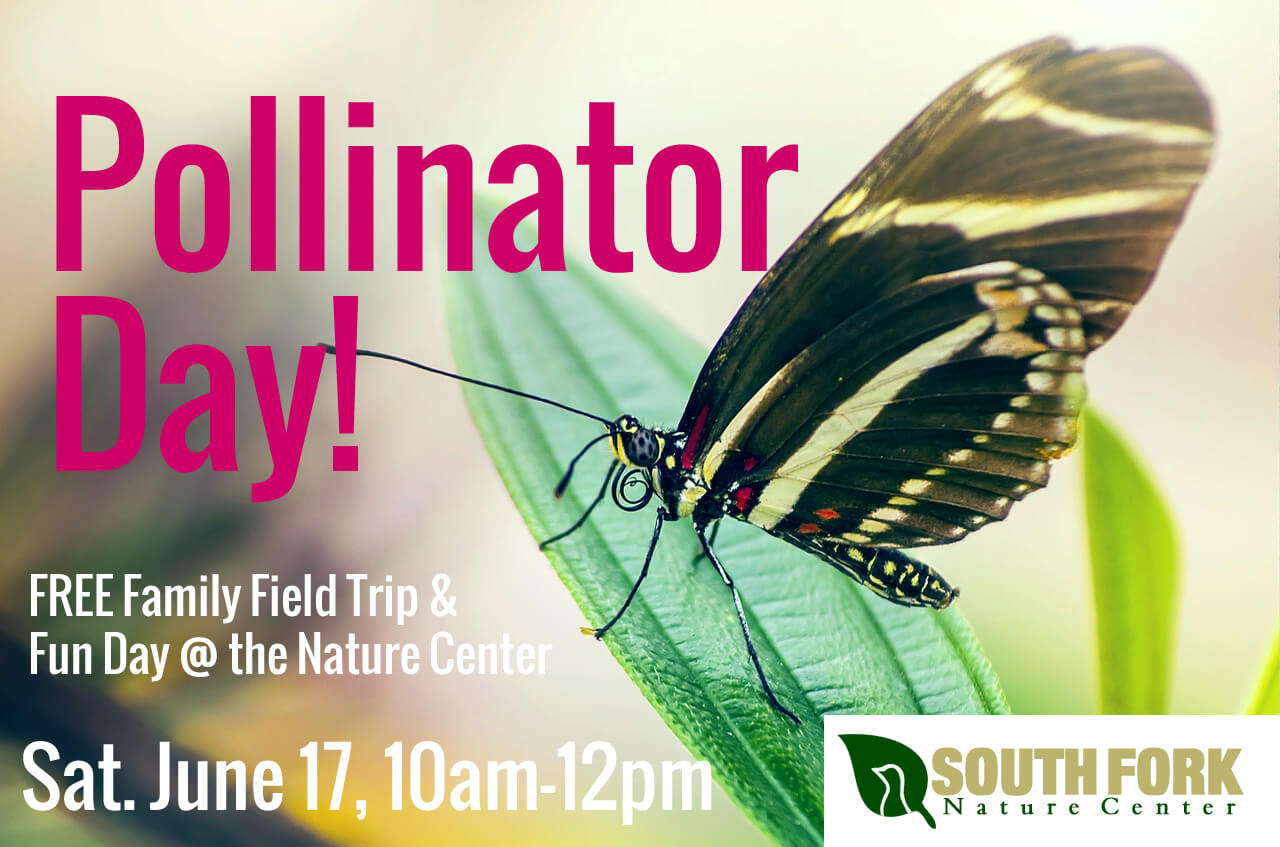
June 17, 2017 (Saturday) 10:00 – 12:00 “Pollinator Event”
Help South Fork Nature Center kick-off National Pollinator Week with a family friendly morning spent investigating “Pollinators in our World”. We promise you a fun, educational experience geared for all ages with our experts. A “Pollinator Walk”, hosted by one of our highly-trained docents, is sure to be a highlight of the morning!
Guided trail walks led by our docent biologist & entomologist
Monarch Habitat Tour
Learn about apiology from a local beekeeper
Q&A with native plant enthusiasts
“How to start your own Pollinator Garden”
Fun & crafts: Butterfly “puddle stones” & native seed balls
One hundred 4th graders rounded up from Clinton by their leader, Kristy Eastridge, arrived by bus for their appointed experience with the out-of-doors. Five docents led them in groups of 10 in their discoveries. One group discussed plant structure from flower to fruit to seed and on to seedling, herb and tree while another learned skull features from specimens ranging from field mouse to that of the white tail deer. Other groups learned along the trails about medicinal and edible plants (may apple fruits are sweet and good while the root, stem and leaf of the plant are poisonous); insects, which have the greatest numbers and diversity of any species around, were busy chewing or resting; Aldo Leopold’s Sand County Almanac provided some good literature along the trail.
As one group of 50 students finished their sessions in the morning, loaded the bus and headed out the gate for lunch, the second group arrived for another exciting round of discovery.
It could be said that there had been some work that day on lessening the “nature deficit syndrome” so common these days as the South Fork slogan, “no child left inside,” was followed. The day had been long and busy, but a profitable and exciting one! Don Culwell
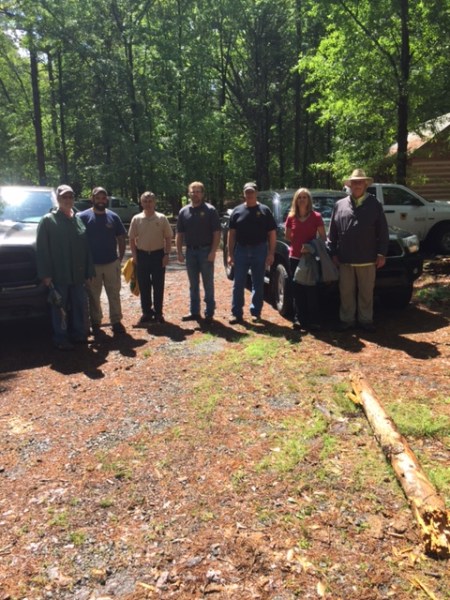
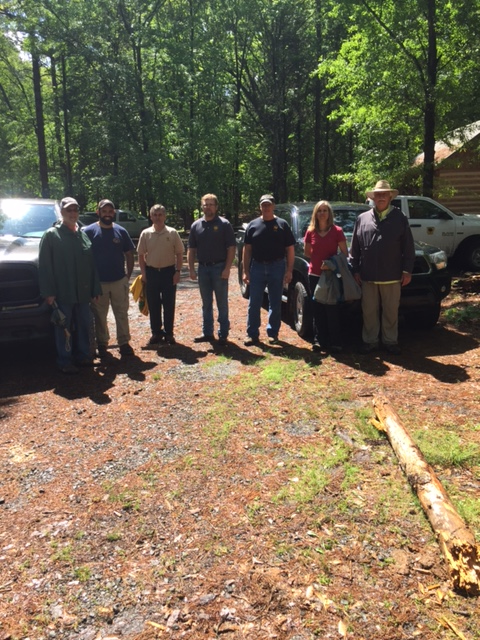
Don Culwell, Janet Miron, Bob Hartmann and Don Richardson of the SFNC Board met with Clint Johnson from the Arkansas Game and Fish Commission, Mike Cagle from the Arkansas Forestry Commission, Joe Krystofik from the U.S Fish and Wildlife Service and Joy DeClerk of The Nature Conservancy to talk about a plan for the management of the forestry resources of the Center. We discussed that we wanted to have a forest that was representative of the native species common to the area to use as a teaching tool in our conservation outreach. Clint Johnson volunteered to write a first draft of a plan for the Board to consider.




 South Fork Nature Center


You must be logged in to post a comment.