Part 1: A Healthy Forest is a Managed Forest

(First of a Three-Part Series on SFNC Glade and Woodland Restoration Plan)

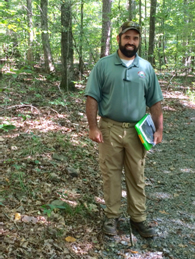
Gates/Rogers Foundation, owner of South Fork Nature Center, would like to introduce you to Clint Johnson, Private Lands Biologist, Central Region Private Lands Section, Wildlife Management Division, Arkansas Game and Fish Commission. Clint has been working hard on developing a Glade and Woodland Restoration Plan for South Fork Nature Center.
We are very excited about partnering with the Arkansas Game and Fish Commission (AGFC), US Fish & Wildlife (USFW), and The Nature Conservancy (TNC). We are so grateful for the knowledge and support offered to us by these partnerships. Gates Rogers Foundation has been awarded a grant from the AGFC through their “Acres for Wildlife” Program and a grant from USFW through their “Partners for Fish and Wildlife” Program. The Gates Rogers Foundation will pay for approximately 1/3 of the initial phase of the restoration project. Our members, donors and partners help to make this possible.

This introductory article will outline the overall goals and timeline for the initial phase of the Restoration Project. Historical forest composition of SFNC area was shortleaf pine, hickory, post oak, white oak and black oak. The first step we took was to meet with the land biologist to establish an overall restoration plan. After meeting with Clint Johnson we learned that our tree canopy was too dense due to overgrowth of mid-story, faster-growing, shade tolerant trees such as maple, elm, and cedars. This occurs often in Southeastern forests. The exclusion of forest management practices such as fire has allowed the existing trees to flourish, leading to an overstocked stand of trees. The native oaks and short leaf pines are being squeezed out by these shade tolerant species listed above. This is the tip of the iceberg. Under-story is being affected and the natural habitat of several species is in danger.

The summary of Clint’s Glade and Woodland Restoration Plan is as follows:

GOAL: To restore natural conditions for most of the plant communities at SFNC, with a top priority of connecting and expanding the existing glades.

Forest Management Tools:

  1. Prescribed burns (sometime after November 1st and before the end of the year) SFNC has previously partnered with TNC and has contracted to have their professional burn team carry out this part of the plan.
  2. Commercial thinning (this will occur after the prescribed burn. SFNC has hired professional Forester, Wade Hargrave, to supervise this and the Timber Stand improvement phase.
  3. Timber Stand improvement This process has already been started in our existing glades and woodlands by our Forester. Clint Johnson is carrying out the TSI on the Corp’s property.

Clint states in our restoration plan,

“From a wildlife standpoint, benefits of this work will include an open over-story, promoting nectar-producing plants to benefit pollinators (like monarch butterflies). Open woodlands benefit numerous species of songbirds that are experiencing population declines due to lack of suitable habitat, and even the standing dead trees from TSI treatment will create foraging and roosting habitats for bats and woodpeckers.”

Article number two, next month, will focus on these benefits and the role of our partner, Joseph Krystofik (Partners for Fish and Wildlife State Coordinator). Read about the expected benefits for the federally listed species, the Northern long-eared bat, and at risk species including the Monarch butterfly and the Texas Frosted Elfin. Also we’ll discuss other species of greatest conservation need identified in the Arkansas Wildlife Action Plan that will be helped by our restoration plan.

Stay Tuned. We’ve got a lot going on at South Fork Nature Center.
The Horrific Hedge Invasion

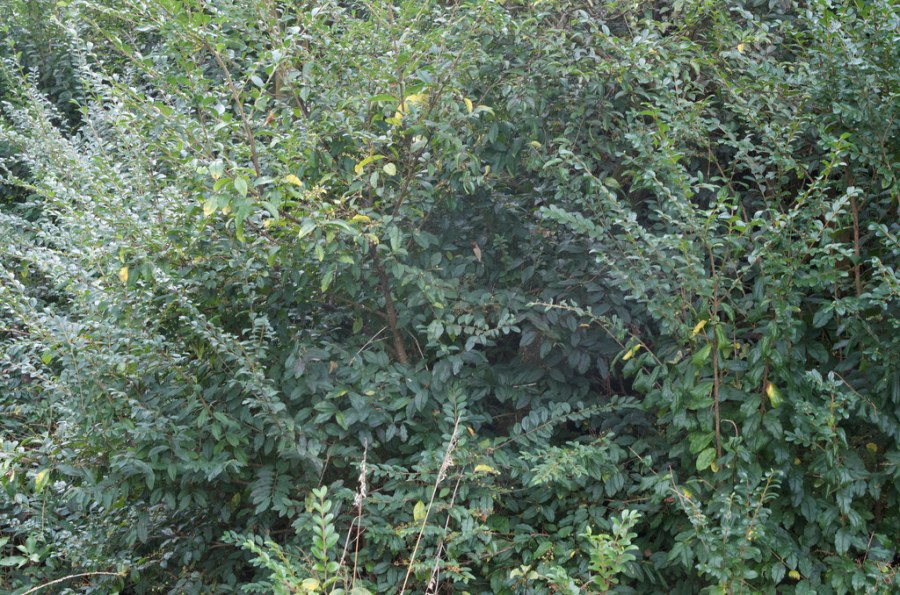
(c) Jon Sullivan, some rights reserved (CC BY-NC), https://www.flickr.com/photos/mollivan_jon/17162143821/

Chinese Privet is an aggressive non-native species still sold in plant nurseries as “Ligustrum.” The dainty evergreen leaves don’t resemble any of the hideous horror creatures of folklore & film. But its practical, no-maintenance resume at the garden center conceals the monstrous destructive power it unleashes on our native woodland & meadow eco-systems.

by Robert Katz-Messenger

It has been hard for me to come to grips with just how invasive privet can be. In our ignorance, my husband and I watched over several years as privet has taken over and surrounded our garden, lined the driveway, overwhelmed our neighboring old house place, dominated the fence rows and roadsides just about all the way to Clinton – 2 miles away. In Clinton, it dominates Highway 65 B, lines many a driveway and takes over any neglected area. My heart sinks when I see how it is gaining on the riverside areas in our city park.

Of course, folks introduced and plant privet for its handy traits: It makes an impenetrable hedge in just a few years, can grow to be a 20’ bush, bears fragrant white flowers in spring and deep blue berries in fall (which are eaten by some birds). Being a non-native, it is resistant to disease, multiplies from both berries (which are handily carried by birds) and roots, stays green through the winter and is virtually indestructible. I, too saw these aspects as desirable, knew nothing about the plant, and did little to prevent its spreading until I became aware of the damage it does to our native forests which I dearly love.

So why is this such bad news? Privet is like starlings in the bird world: it overwhelms and crowds out native species of all types. Because it did not evolve in North America, it has no relationship to the great web of life in our ecosystem, and where it goes, natives suffer. Not just plants and trees, but insects, butterflies, birds, mammals are little helped by its overwhelming presence, persistence and spreading habit. And it is almost impossible to eradicate.

Forest Service wildlife managers and other experts are pessimistic about managing this non native aggressive plant where it is already established. One writer, a bird expert, writes that he has spent 15 years clearing privet from his 12 acres of woods. After all his effort with pry bar, clippers and chain saw, he laments that there will still be privet on his place when he dies. Every root comes back, every seed sprouts and he cannot go anywhere on his property without finding another starter privet here and there. I asked a lawn care friend how he would handle a privet thicket: a bulldozer and 100 percent herbicide was his reply.

I decided to write this article not because I expect a massive undertaking to remove established privet; I cannot handle my own infestation. What sent me off on this article was a story: Out in the beautiful back country of Arkansas where native species still flourish, there was a new homeowner. At the end of his driveway, two well-made raised beds were created. In each bed, the unwitting home owner planted 3 each well grown privet he bought from a garden center. Obviously, as many of us, he has no idea what a bad idea that was. Reticent about telling a neighbor what to do with his land, yet so sorry for the future I imagine for the beautiful area where he lives, I decided to write this article.

We can help in preventing the further wholesale spread of this invader. We can learn to recognize privet and share information on how difficult privet can be for our homes and wildlife. We can remove it where feasible. More importantly, we can refuse to plant it and encourage garden centers and plant stores to cease selling it. We could even ask our landscaping experts and advisers to become aware of how destructive of our native species privet can be. Maybe we could pass a law prohibiting the sale of privet.

See more:

Native Plants vs. Privet: A Photo Diary

Photo (c) Jon Sullivan, some rights reserved (CC BY-NC), https://www.flickr.com/photos/mollivan_jon/17162143821/ via iNaturalist.org

Glade Restoration Team

SOUTH FORK WOODLAND AND GLADE RESTORATION PLAN TAKES FURTHER SHAPE

Dr. Don Culwell

Glade Restoration team members: Adam Muaex, Wade Hargrave, Clint Johnson

Tuesday, October 3, the crew working in the forest and glades was there, boots on the ground, equipment close at hand. South Fork acres were being prepared for the their first controlled burn to be professionally conducted sometime the last two weeks of November whenever weather will permit (proper moisture in the ground, relative humidity, air currents, etc.); the timing of the burn late in November will allow necessary time for protection of the bat populations that call SFNC home.

A controlled burn of approximately 40 SFNC acres will be a part of the restoration process of returning the forests and glades to a condition similar to that noted in a number of historical records from across the state. With the forest canopy opened up by a thinning of existing tree species and removal of unwanted surface seedling growth (pine, cedar, and certain hardwoods), herbaceous growth (forbs and grasses) can return to open areas between trees. Restored glade areas can exist for flowering plants useful to pollinators like butterflies and bees. Fire lines extending from established trails to surround the burn areas were cleared by Clint Johnson on Tuesday, a private lands biologist from the Arkansas Game and Fish Commission.

While Clint was getting the woods and glades ready for the controlled burn, Wade Hargrave (Hargrave Forestry Management Service) and his crew were employing a “hack and squirt” procedure that will kill treated trees allowing a thinning of the forest stands. Hatchets hacked open areas in the bark into which the poison, arsenal AC, was sprayed with a squirt bottle; treated trees will die in about 6 months and become habitat for woodpeckers, insects, fungi, etc. Wade also began marking with blue paint the larger trees that are to be removed in the harvest for timber sale. So, forested areas will be opened up and glade areas cleared for herbaceous growth. Don Culwell marked a number of mostly larger specimen trees using colored flagging, trees that were to be kept for species diversity as well as aesthetic beauty of the Nature Center (flowering dogwoods will be protected in the process).

The restoration process written for SFNC by Clint Johnson is now in full swing (the US Fish and Wildlife Service has previously funded SFNC glade restoration in 2014, 2015; Witsell and Baker, 2006, conducted a plant and community analysis of South Fork Nature Center).

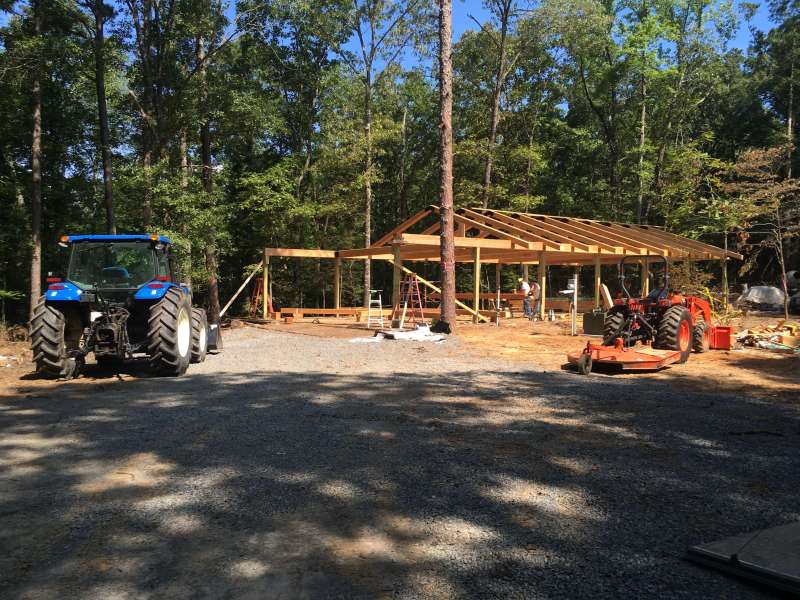
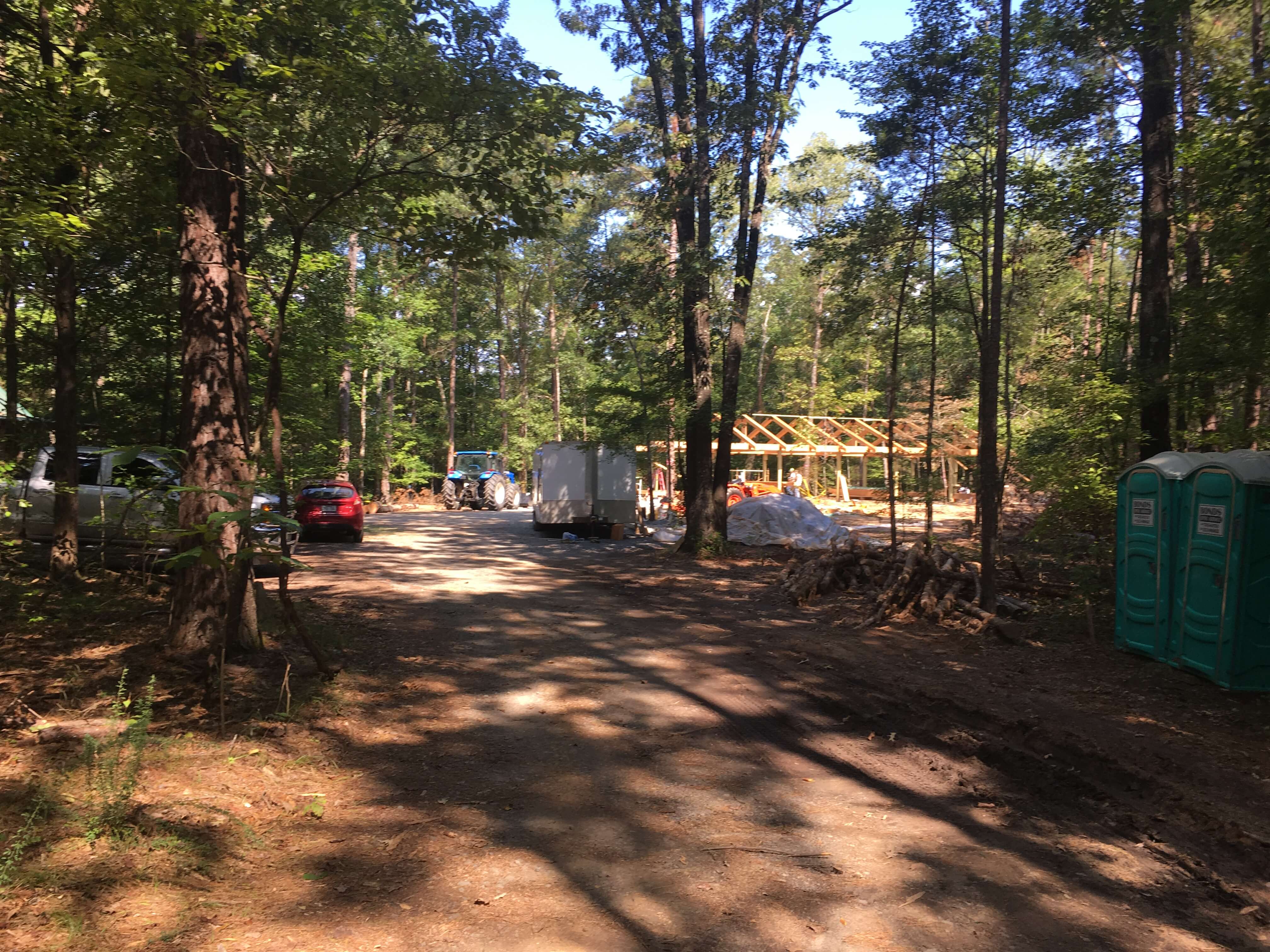
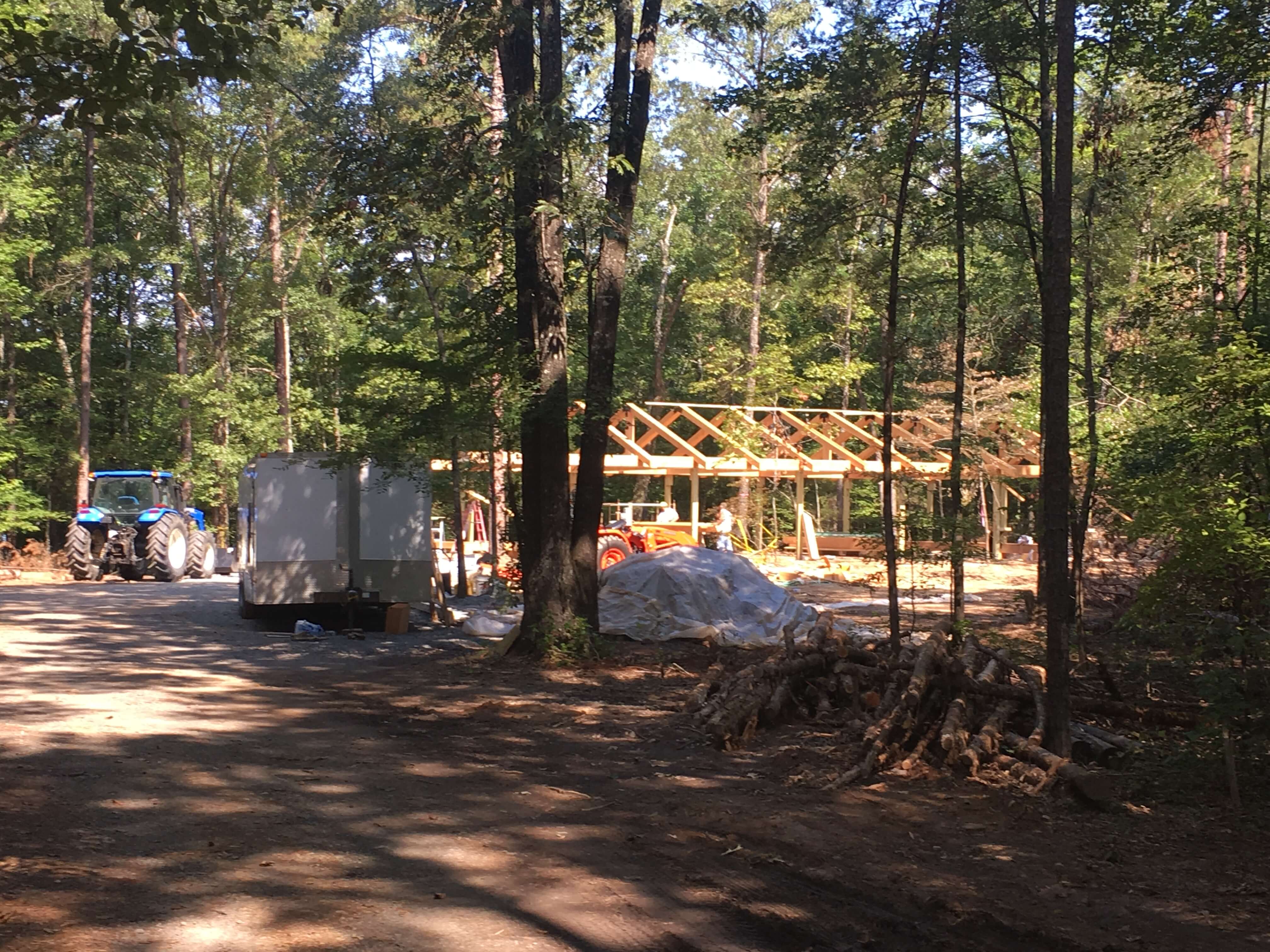
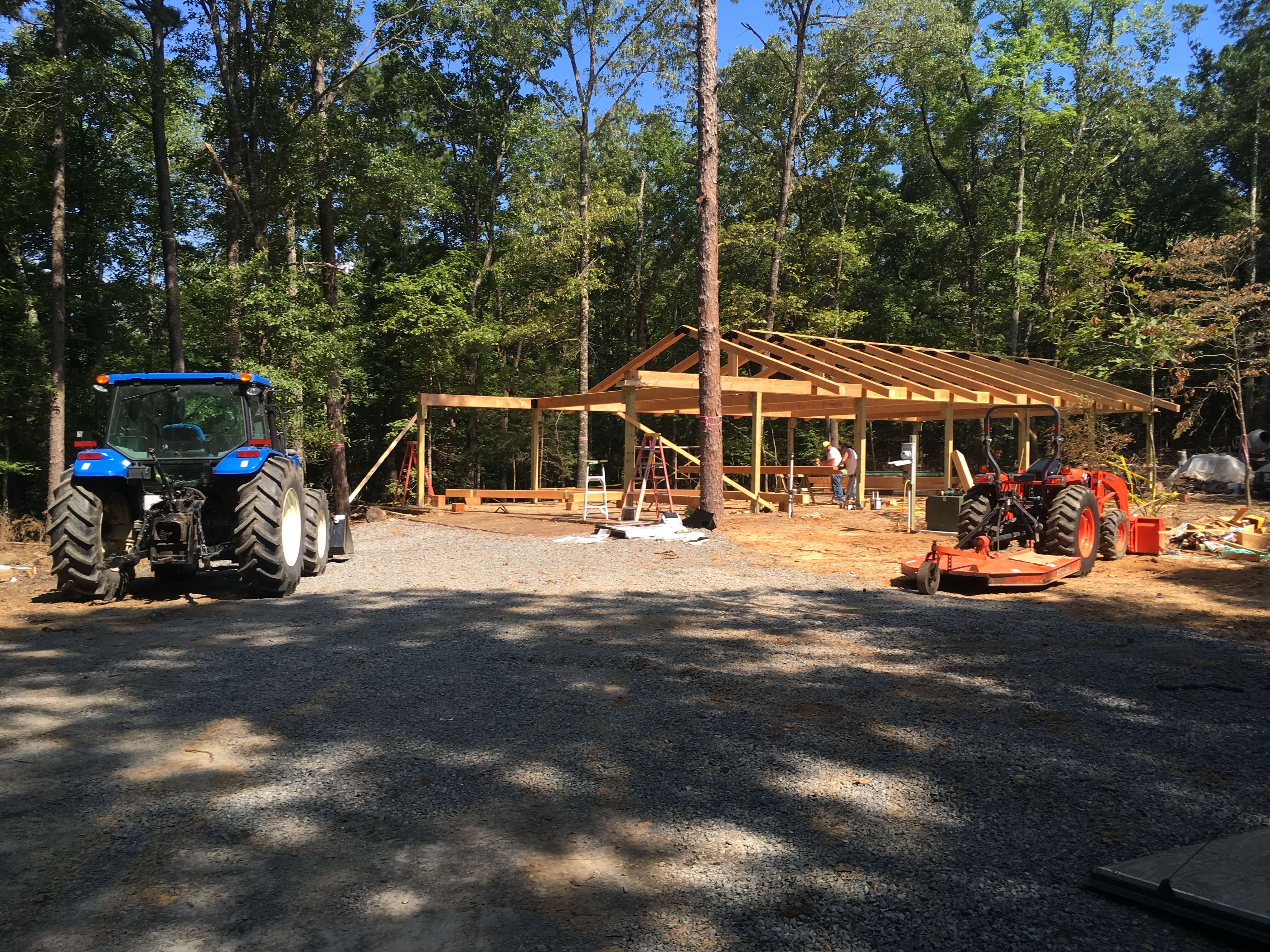
South Fork Educational Pavilion Progress

We’re thrilled to watch the construction progress on the new outdoor classroom pavilion at South Fork Nature Center! The project has come a long way since groundbreaking in April of this year. This exciting collaboration with The Nature Conservancy in Arkansas and BHP Billiton will be a huge asset to the learning facilities at our Greers Ferry Lake nature center, and an excellent testament to the shared commitment in conservation! For updates on project completion, and more details about the impact of our nature partnership, stay tuned to our website and our Facebook page @SouthForkNatureCenter.

Photos courtesy of The Nature Conservancy & Joy Wasson.

2017 Lake Shore Cleanup Photos

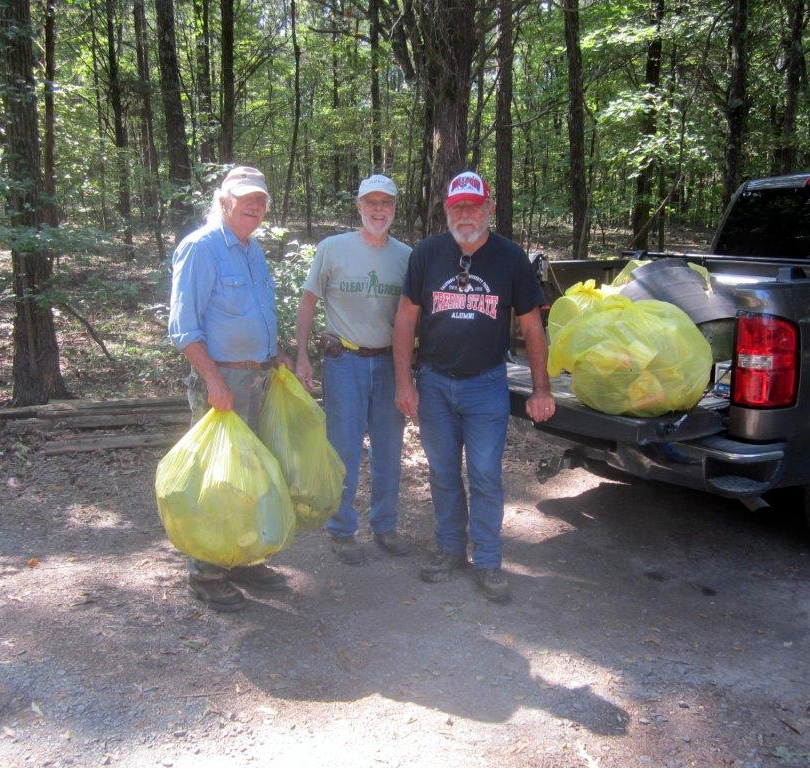
Every year, the Nature Center volunteers form a team to tackle the South Fork shoreline during the Greers Ferry Lake & Little Red River Cleanup. This year marks year 48 of the annual Cleanup, and it’s an effort that continues to inspire volunteer conservation and beautification programs nationally. What a great way to show our pride in the exquisite beauty of our Lake & its heritage!

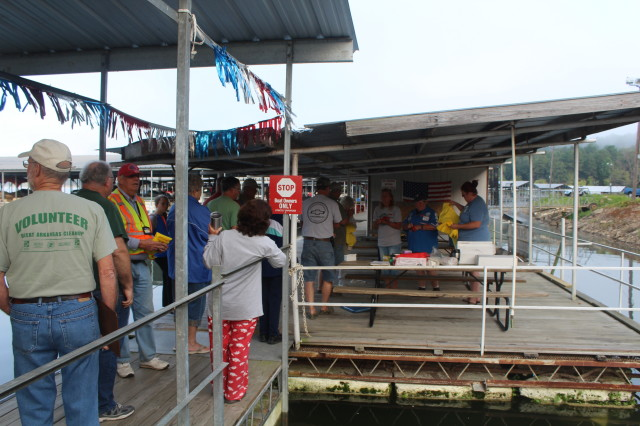
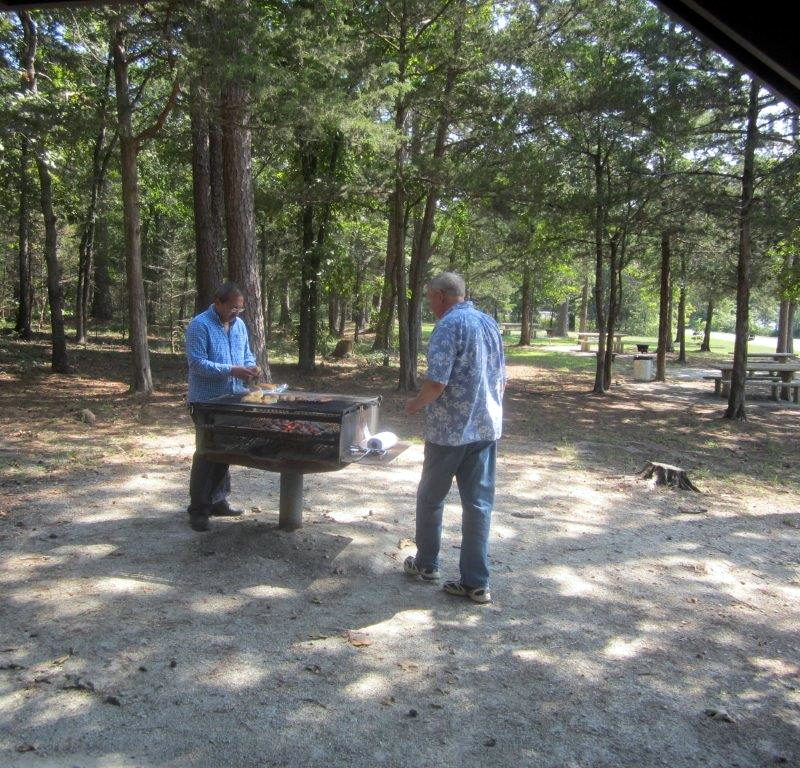
On September 9th, we met at the Choctaw Marina at 7:30 a.m., when the morning mist was still coming off the water. Volunteers lined up to register before the cleanup; each one received a ticket for a free lunch afterwards either at The Narrows or at Choctaw Recreational Park.

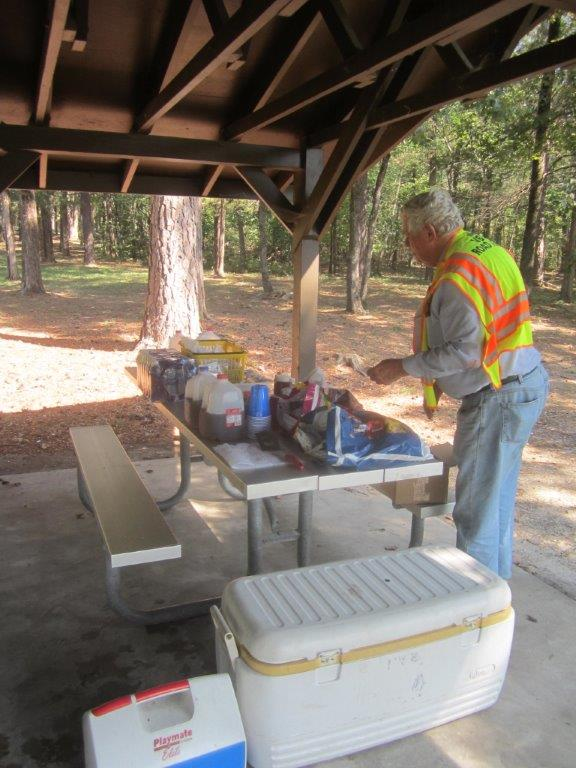
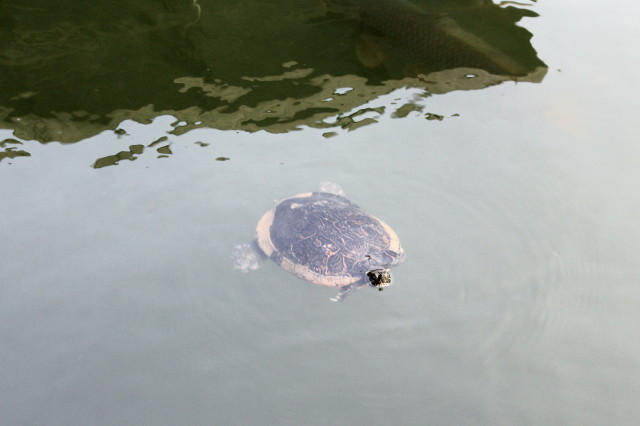
Special thanks to helping hands from the City of Clinton, including Jason Hayes (Chamber of Commerce), Tony Soyani (Advertising & Promotion Commission), and Philip Ellis (Chamber of Commerce & Zoning Department). These gentlemen organized the volunteer cookout held at Choctaw Park to feed our hungry cleanup crew! A turtle wished us luck as we left, and said thanks for helping to keep his home healthy!

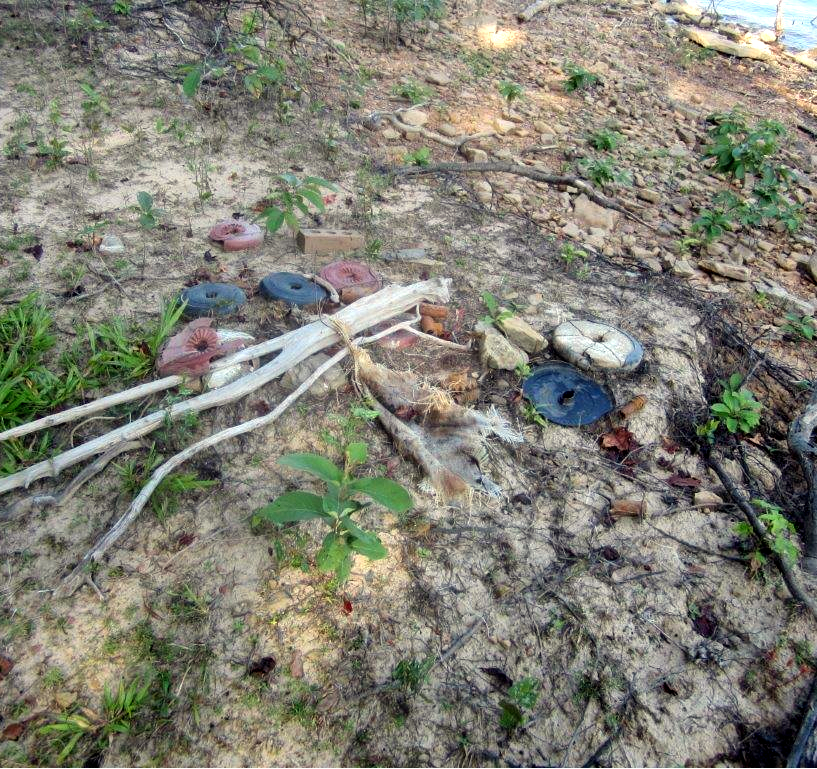
Pictured below is just a sample of the trash our team gathered by the bagful.

Every pound collected is that much less left to pollute the water, its rich habitats, and the surrounding shoreline. When you walk the trails at South Fork overlooking the Lake, give a thought to the dedication of generations of nature lovers who have worked season after season to keep them enjoyable. And always, always keep your trash out of the water – a minute of your time to collect non-degradable waste in a bag or bin, and recycling when possible, is a small act of conservation with a big collective impact.

Here’s to another beautiful year of enjoying Greers Ferry Lake!

Pavilion Update (August 2017)

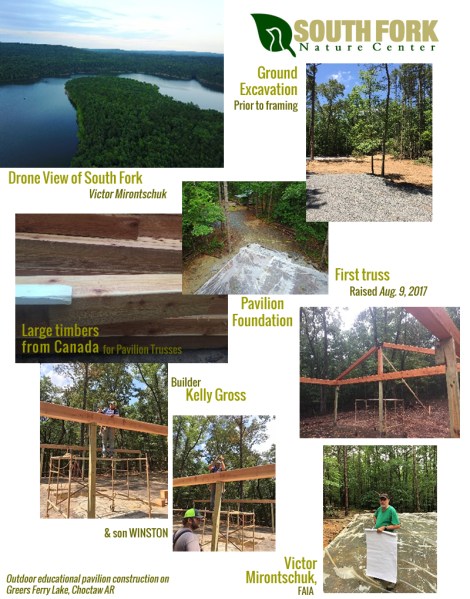
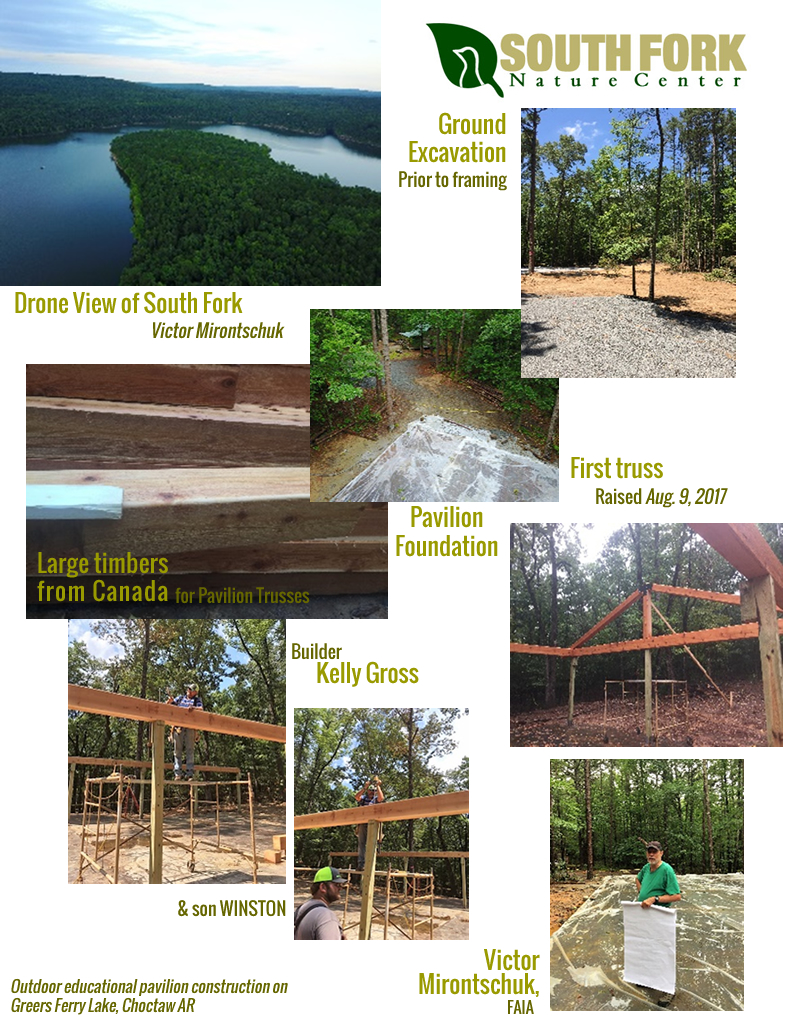
There has been a flurry of activity on the outdoor classroom/pavilion build. We have made a lot of progress this month in completing the pavilion’s foundation in addition to starting the framing of the trusses. The Pavilion’s architect, Victor A. Mirontschuk, FAIA, with EDI International, visited the build site during the first week of July. He reviewed the work done so far with our building committee and conferred with our Builder, Kelly Gross. Victor also took aerial photos with his drone and documented the builds progress.

Our outdoor classroom build is moving forward after being delayed temporarily by a delay in the shipment of the large timbers from Canada. Our wet summer and the installation of utilities, such as electricity to the remote site, have also been challenges to our builder and building committee. We are now on track to finish the framing this next week and start the rock work before the middle of the month. Please enjoy our picture gallery below and stay tuned for updates on our project!